2026 Kia EV4 Review: Value-focussed electric sedan joins Australia’s growing EV market to take on Tesla Model 3, BYD Seal
Traditional sedans have been a dying breed, but those powered by electricity have proven surprisingly popular in a fast changing market.
No surprise that Kia wants in on the action with its EV4.
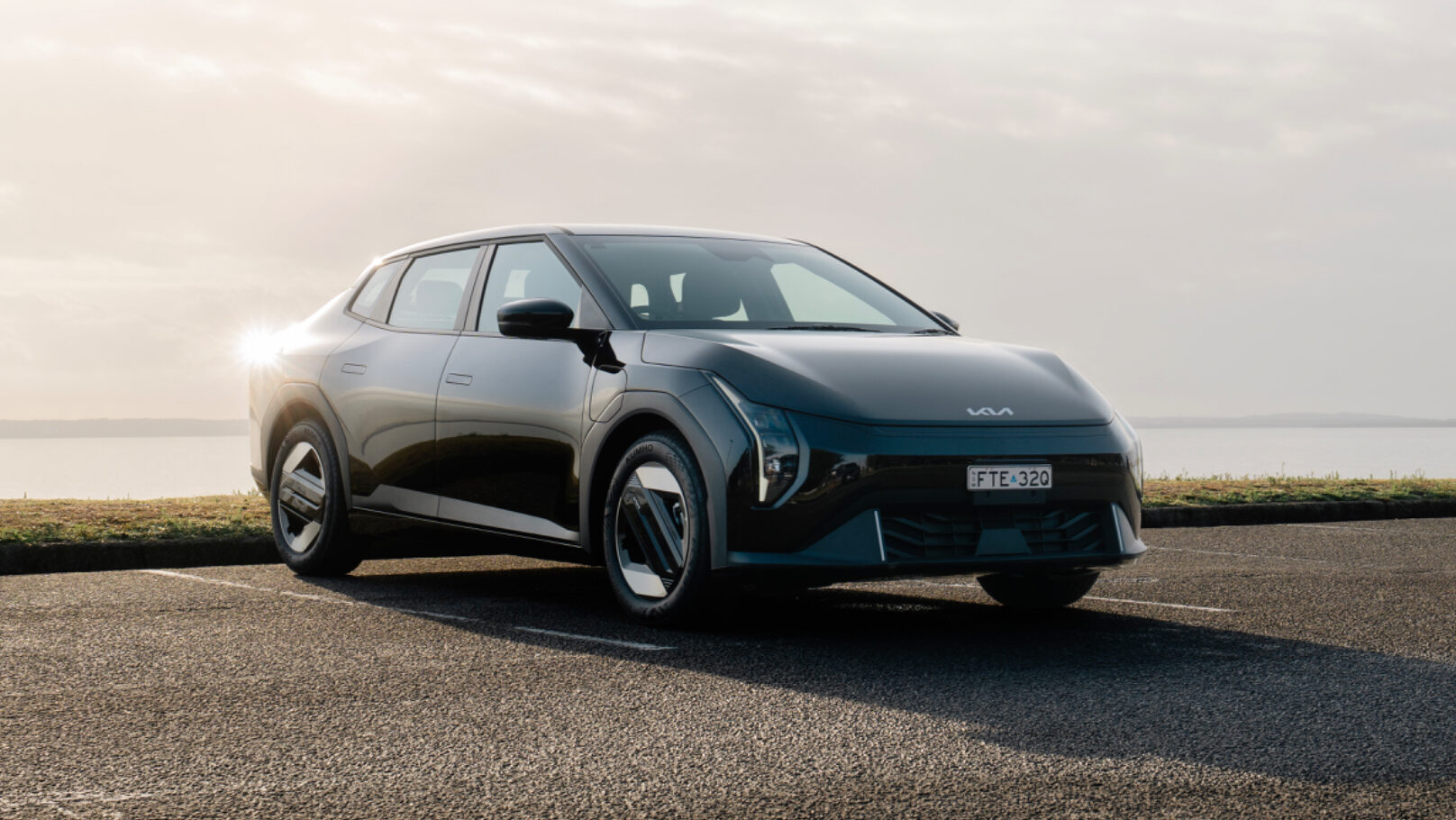
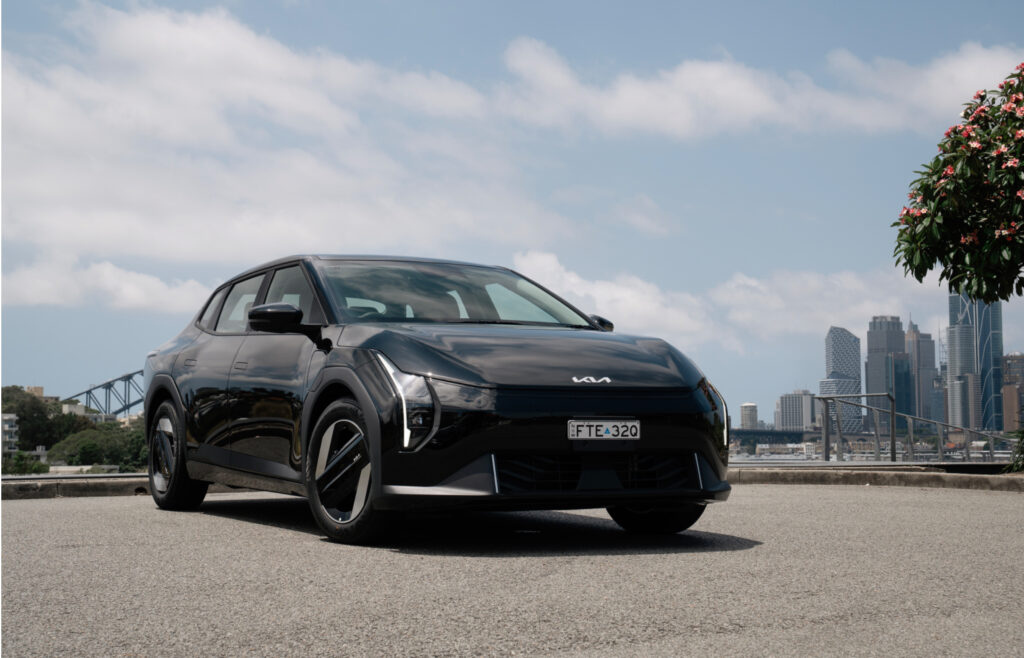
With keen pricing and a look that shuns tradition for something bolder (and more controversial), the newcomer is an important new arrival for Kia.
And the four-door, five-seater goes head-to-head with the two heavy hitters of the sedan category: the Tesla Model 3 and BYD Seal, while also tripping over the Polestar 2.
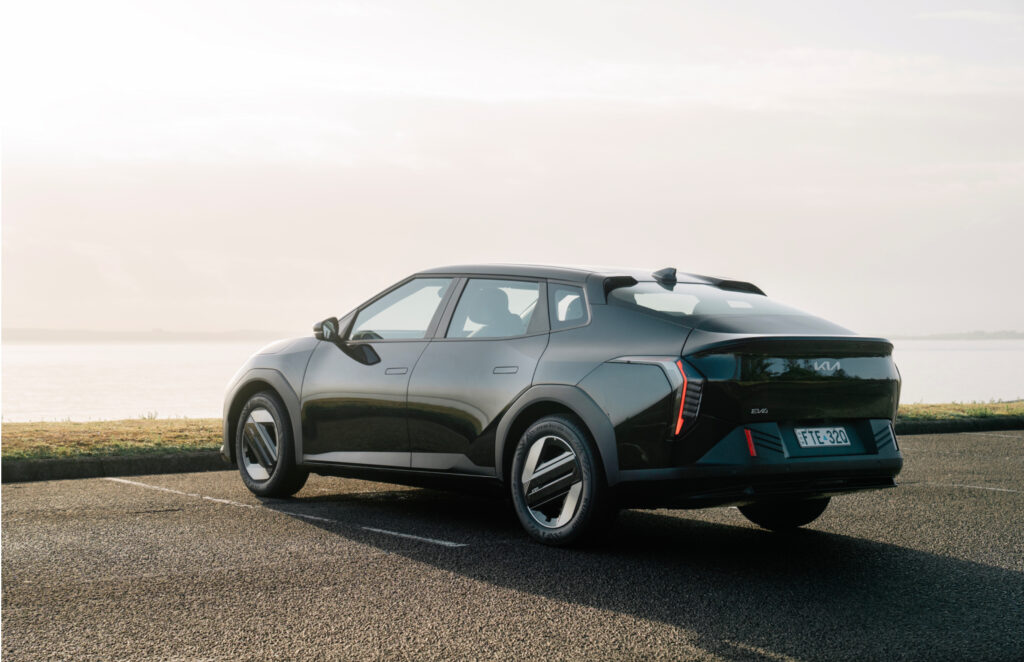
The EV4 also needs to tempt buyers from the Toyota Camry, now offered exclusively as a hybrid – and a car that very much competes with those looking for a value-packed fuel miser.
Yet Kia is forecasting modest Australian sales of fewer than 1000 cars per year, which is a fraction of the Tesla, BYD and Toyota.
READ MORE: As BYD Shark 6 sales soar, Kia eyes plug-in and EV power for struggling Tasman ute
READ MORE: Kia EV4 sedan priced for Australia: Korean contender undercuts Tesla Model 3, challenges BYD Seal
READ MORE: Kia’s refreshed Kia EV6 arrives in Australia: There are a lot of changes, but pricing isn’t one of them
2026 Kia EV4 price and equipment
The Kia EV4 sits in the sweet spot of the EV market from a pricing perspective.
It’s available in three model grades: Air, Earth and GT-Line.
The Air is priced from $49,990 plus on-road costs and gets a basic level of equipment that includes 17-inch alloy wheels, dual-zone ventilation as well as vehicle-to-load (V2L) to power household devices from a regular powerpoint.
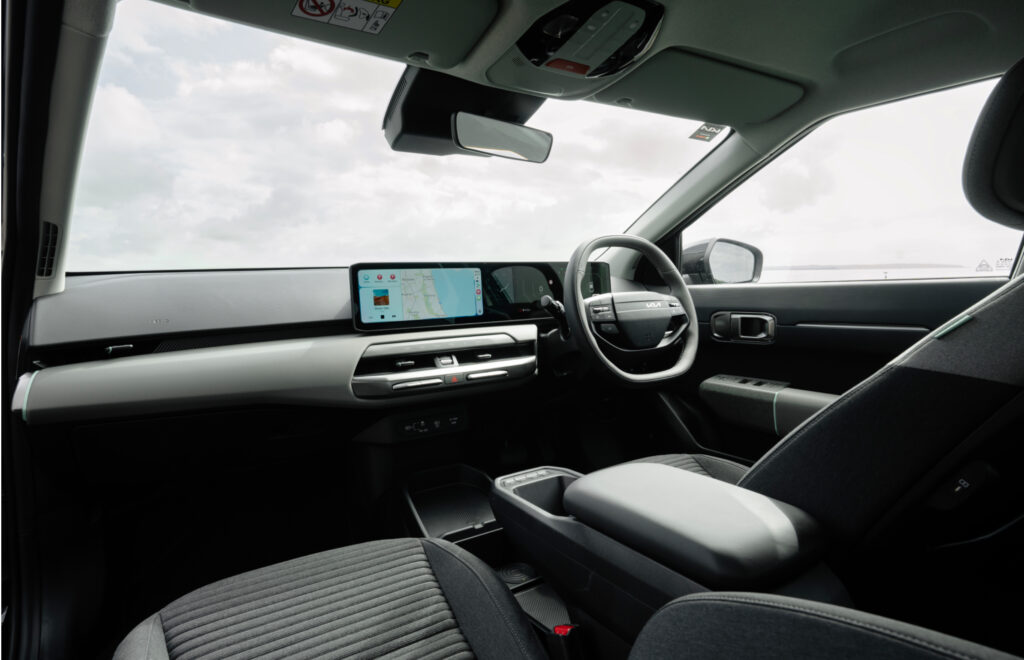
Dual 12.3-inch screens incorporate wireless Apple CarPlay and Android Auto and they’re split by a 5.0-inch screen dedicated to climate control functions.
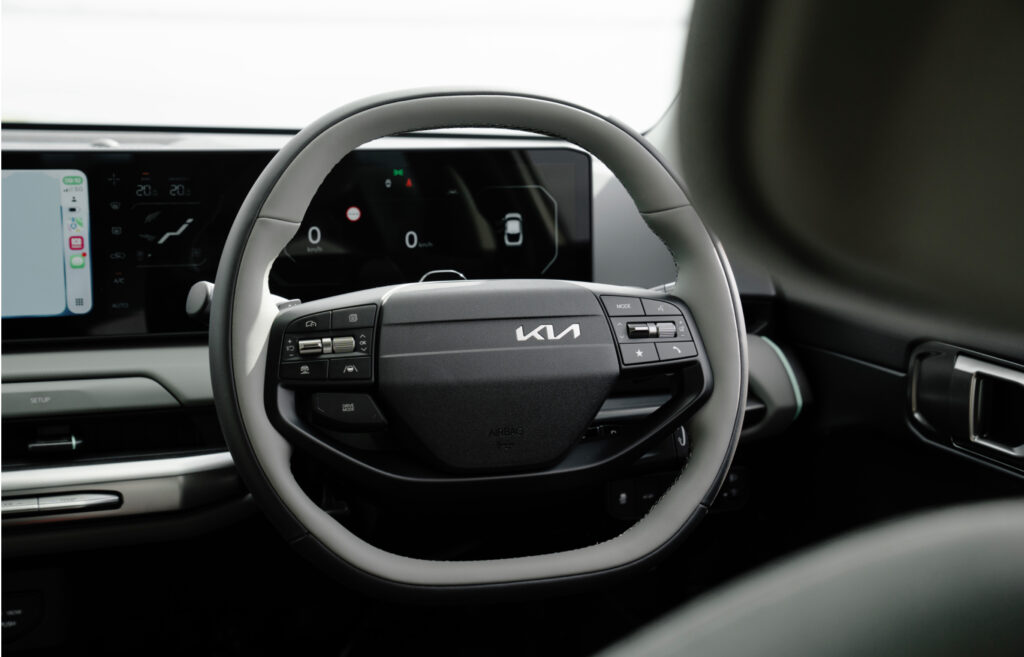
There’s also Kia Connect (the cost of which is covered for seven years) to allow for remote access, including locking and unlocking. You can also activate the climate control.
Over-the-air software updates allow for updates and tweaks.
All three models get a single 150kW/283Nm electric motor powering the front wheels.
The Air gets the smallest battery of the trio, a 58.3kWh unit good for 456km of WLTP range.
The Earth is $59,190 plus on-roads and gets 19-inch alloy wheels, two-tone interior trim (the Air gets plain black), heated front seats, mesh front headrests, power adjustable driver’s seat and an electrochromatic centre rear vision mirror.
It picks up a larger 81.4kWh battery that extends the range to 612km, the longest yet for a Kia EV.
The $64,690 GT-Line adds gloss black highlights outside, unique interior materials, an eight-speaker Harman Kardon sound system, sunroof, retractable door handles, heated steering wheel, ventilated front seats, powered bootlid, ambient lighting, surround view camera, head-up display and wireless phone charger. Plus there are matrix LED high beams that can automatically blank out other traffic.
All models have seven airbags and a suite of active safety gear, including auto braking and blind spot monitoring.
The GT-Line adds to that with a 360-degree camera and auto braking in reverse.
Size-wise the EV4 straddles its main rivals. It’s slightly larger than the Model 3 but smaller than the Seal.
The EV4 powertrain is good for a 0-100km/h time in 7.4 seconds in the lighter Air model and 7.8 seconds for the Earth and GT-Line models (a battery that weighs an extra 95kg slows it down).
The lighter weight also contributes to a better claimed WLTP consumption rate of 14.3kWh/100km for the Air than the 14.9kWh/100km of the other two models.
The EV4 gets Kia’s seven-year, unlimited kilometre warranty with the high voltage battery covered by a separate eight-year, 160,000km warranty. That eight-year warranty is a year longer than Kia previously offered with its EVs, but the brand says MY27 models will pick up the same eight-year coverage.
Servicing is required every 12 months or 15,000km and Kia sells pre-paid service plans. A seven-year package costs $1929.
Kia also points to its wider service network than its key competitors as a reason to consider the EV4.
2026 Kia EV4: What we think
The EV market is packed with machines that wow and occasionally frustrate with their whizzbang tech.
The Kia EV4 is not one of those.
Sure, it comes with tech – including those dual 12.3-inch screens – but that’s not the main game inside.
Which is a relief, especially from those coming from a more traditional ride.
There are touchpads on the dash to jump between main menus and a roller wheel to adjust the volume.
Toggles and buttons to adjust the ventilation team with the 5.0-inch screen in between the two larger screens to make it easy to change the temperature or air flow.
But Kia has also leveraged the EV benefits: A floating centre console provides an open storage area up front as well as a phone storage pocket in the dash.
The now-familiar wand on the right of the steering wheel also frees up space between the front occupants.
That relative normality teamed with modern thinking could be part of the EV4 appeal in itself.
Head further back, though, and there’s less to get excited about.
Foot room and knee space is decent in the rear, while headroom shades its key rivals.
Similarly, the boot – which measures 490 litres – is OK without having that cavernous feel that EVs often do so well; the small boot opening doesn’t help with feeding things in either.
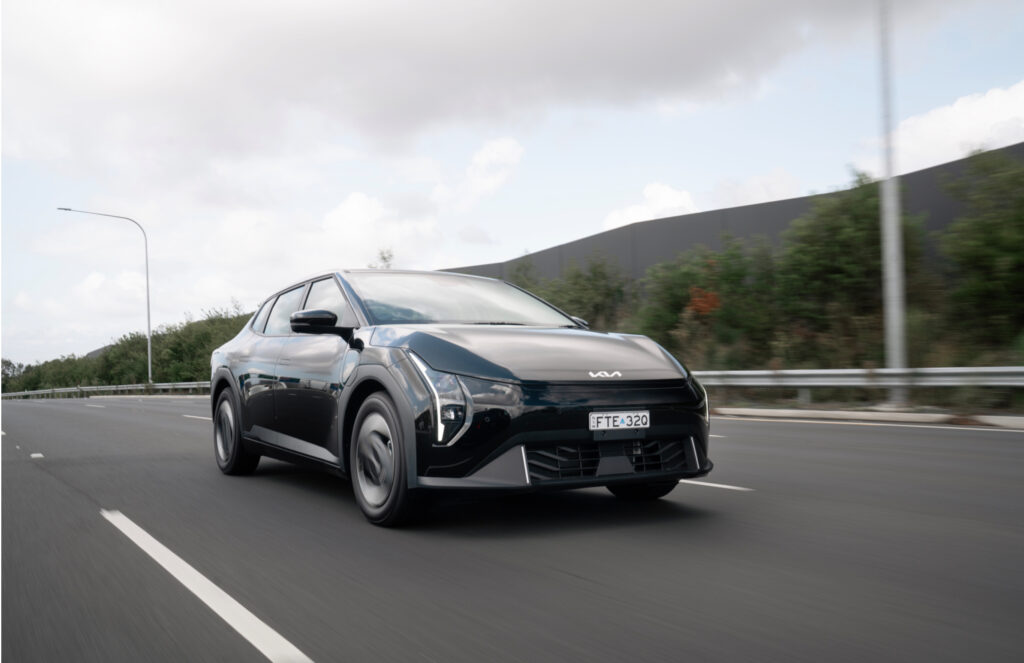
That bulbous boot – which gives the rump a challenging aesthetic – also impedes rear vision, with only a slim back window.
There’s one big difference to the way the EV4 goes about its business on the road.
Whereas key competitors send drive to their single motor models to the rear wheels, the EV4 only drives the front wheels.
That means the fronts are doing most of the work, something that can traditionally challenge them when you’ve got a fair bit of grunt.
Fortunately the EV4 is not particularly grunty.
With 150kW and 283Nm it’s decent without being exceptional.
That translates to acceleration, which is better than many petrol alternatives but not as sharp as many EVs.
Paddles on the steering wheel allow easy adjustment of the regenerative braking, from coasting to more aggressive deceleration.
Like the EV3 and EV5, the EV4 runs a 400V architecture rather than the 800V system on the EV6 and EV9.
The biggest difference is in its fast charging rate, which tops out at a modest 128kW (the 800V Kias are almost double that).
AC charging can be done at up to 11kW.
There are pluses compared to the more expensive EV4s in the way the Air corners.
Riding on 17-inch wheels gives the Air more air between the wheel and the road surface, helping cushion bumps that little bit more effectively.
Local suspension tuning translates to an EV that nicely straddles comfort with control.
Steering is well weighted – slightly meatier in Sport mode – and it settles swiftly over bumps.
It’s easy around town and enjoyable in the right conditions.
2026 Kia EV4: Verdict
The Kia EV4 doesn’t set any new medium sedan benchmarks – or reset the EV status quo.
Instead, it’s an honest and easy-to-digest four-door that has functionality as part of its appeal.
it’s not the sharpest on value, not the slickest to drive and not the most cavernous inside.
But its familiar cabin layout, thoroughly acceptable driving dynamics and everyday liveability make it an EV worth considering – especially for those happy to shun the SUV surge.
Score: 3.5/5
Kia EV4 Air price and specifications
Price: From $49,990 plus on-road costs
Basics: EV, 5 seats, 4 doors, sedan, FWD
Range: 456km (WLTP)
Battery capacity: 58.3kWh
Battery warranty: 8 years/160,000km
Energy consumption: 14.3kWh/100km (WLTP)
Motors: 1 front 150kW/283Nm
AC charging: 11kW, Type 2 plug
DC charging: 128kW, CCS combo plug
0-100km/h: 7.4 seconds (claimed)