
Toyota chases 7400% sales lift for EVs and PHEVs in Australia!
Toyota has rejected its electric vehicle strategy in Australia is “a flop” at the same time it has announced it is targeting a staggering 7400 per cent increase in local EV and plug-in hybrid sales in Australia by the end of 2030.
Officially, the goal is for zero and low emissions vehicles (ZLEV) to account for 30 per cent of Toyota Australia sales by the end of 2030.
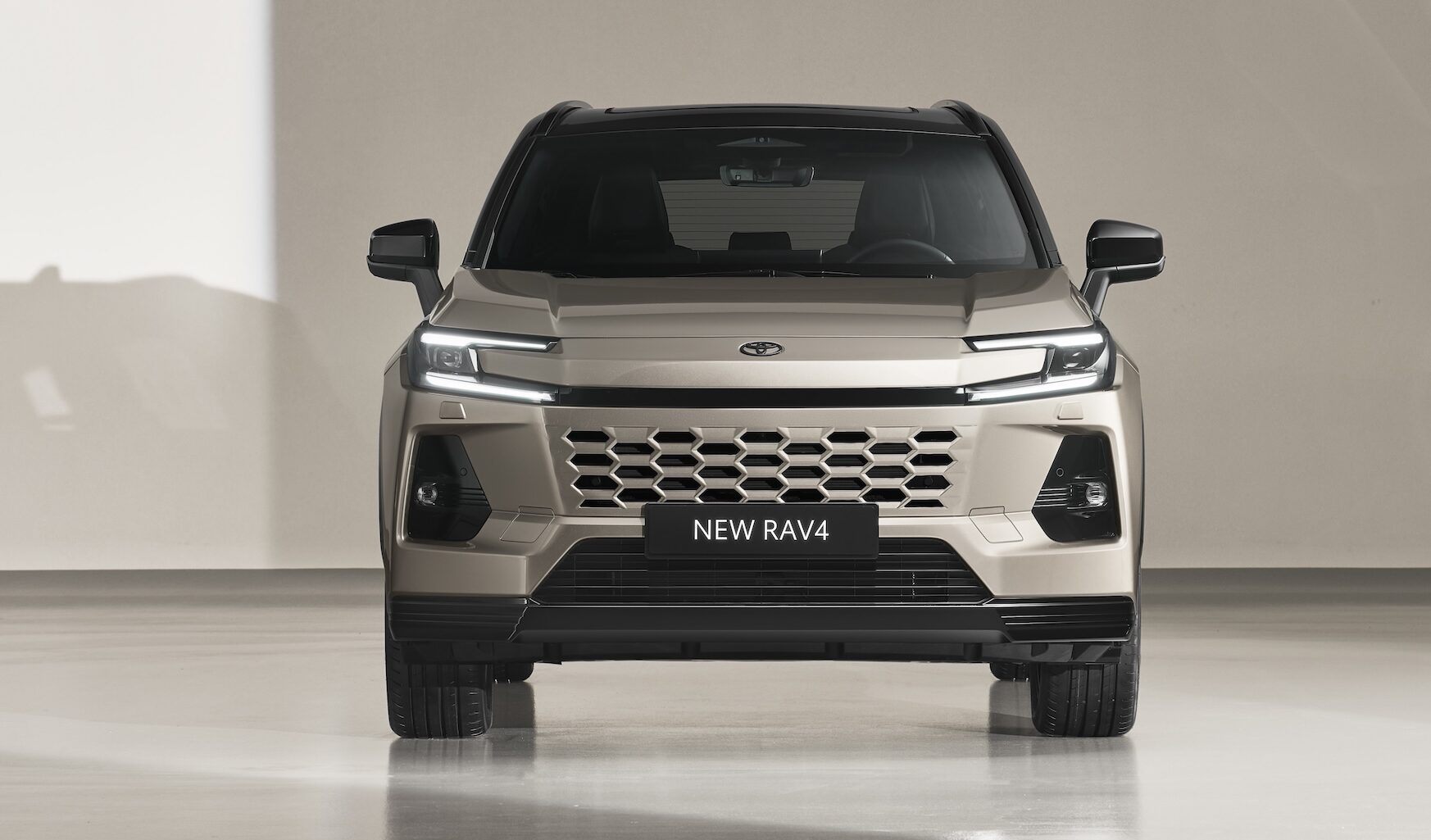
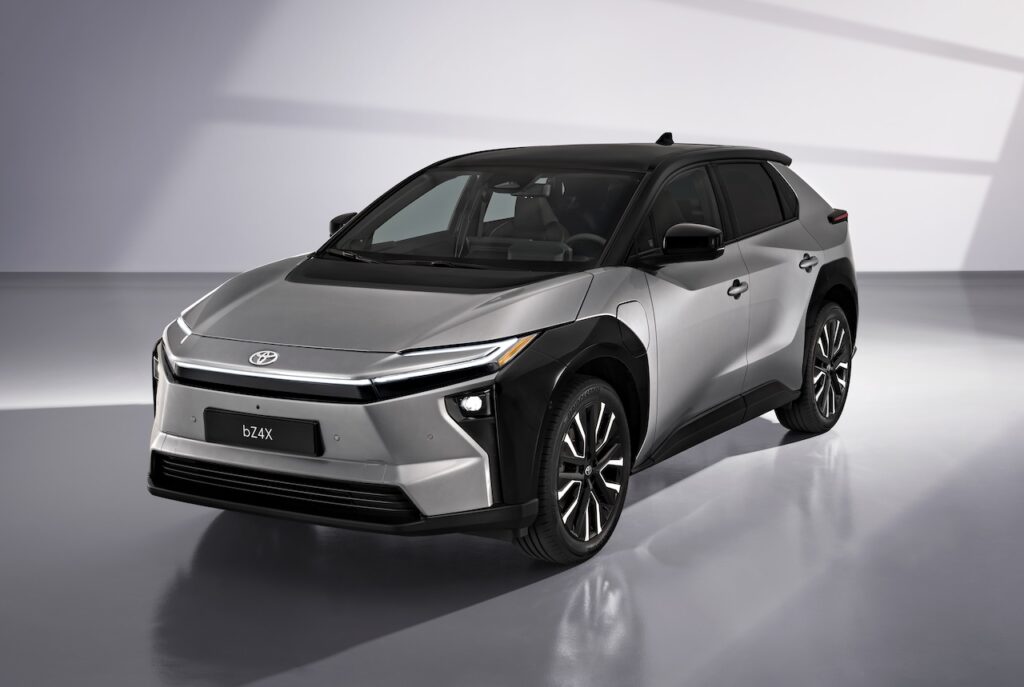
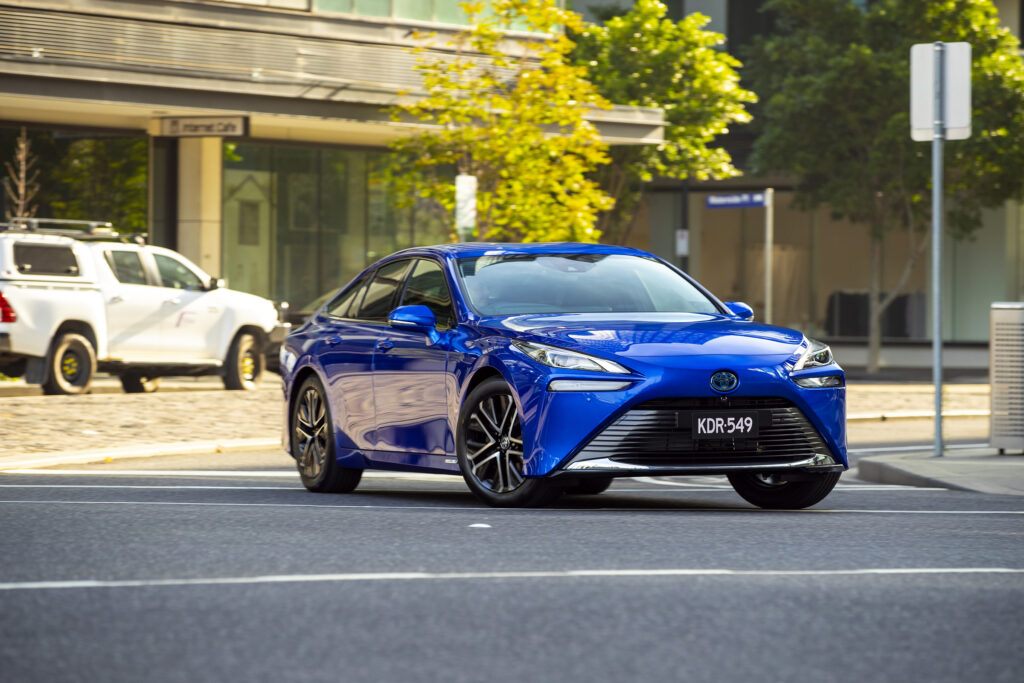
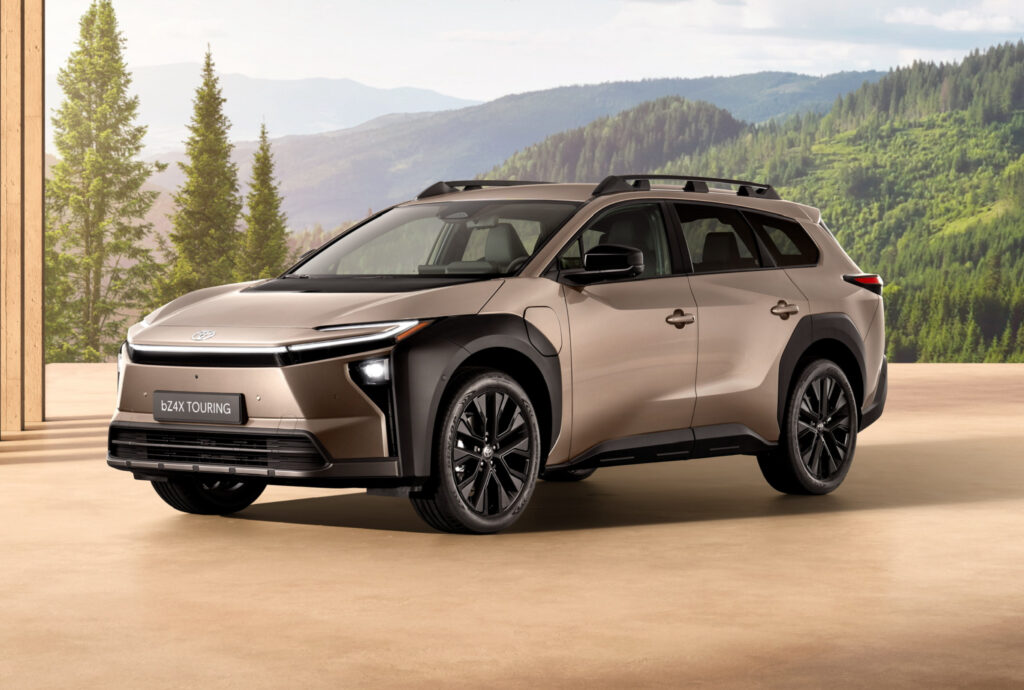
The ambition will mean a massive increase in models and buyer interest as Toyota sells one battery electrc vehicle in Australia, the bZ4X, one fuel cell electric vehicle, the Mirai and doesn’t launch its first PHEV, the next-gen RAV4, until the third quarter of 2026.
READ MORE: 2026 Toyota RAV4 Hybrid Review: This car could be Australia’s best seller in 2026. It’s a bit of a struggle to understand why…
READ MORE: Toyota confirms compact EV for Australia: More affordable Toyota C-HR BEV on the way to fight BYD Atto 3 and Geely EX5 … but don’t rush your dealer just yet
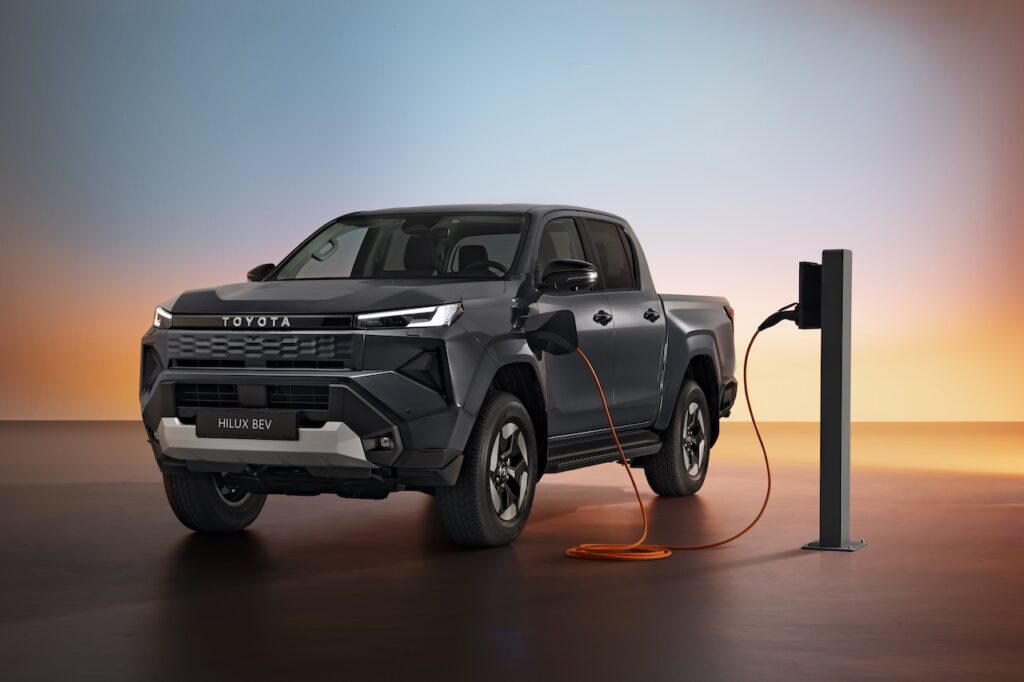
READ MORE: Toyota HiLux BEV key numbers revealed ahead of 2026 arrival in Australia: They’re … interesting
For the year to the end of November, Toyota’s total EV sales in Australia were 923, comprising 914 bZ4X and nine Mirai.
Total brand sales were 221,322, which means plugged electrified vehicles currently account for 0.417 per cent of sales. To get from there to 30 per cent is a 7400 per cent lift and in actual sales volume, around 70,000 vehicles (based on Toyota’s current sales average around 230,000 por annum)
Currently, EV sales currently comprise around nine per cent of the Australian new vehicle market, while PHEVs are less than five per cent.
But when EV Central described Toyota’s EV performance in Australia as “a flop”, the company’s sales and marketing chief Sean Hanley was emphatic in his rebuttal.
“No, I certainly don’t accept the criticism of the EV flop,” said Hanley. “That’s just nonsense. That’s just rhetoric from people that want to push an agenda.
“[If] I pulled out half the quotes from journalists four years ago about EV, and I’ll tell you what, it’d be very surprising. None of it’s come to fruition, as they thought it would.
“I’ll pull quotes out from other car companies about EV take-up. Very little of it, if any of it’s come to fruition, when they said it’s going to be this and it’s going to be that.
“So, I don’t accept for one moment that Toyota’s a flop on EVs at all.
“Why are you focussing on EVs? Why don’t you give the company some credit for what they’ve done on hybrids?
“We’re also at 50 per cent of hybrids. Or close on. Just under.”
Toyota was a petrol-electric plugless hybrid pioneer in Australia more than 20 years ago and now offers only hybrids in its (non-GR) passenger car and light duty SUV line-ups.
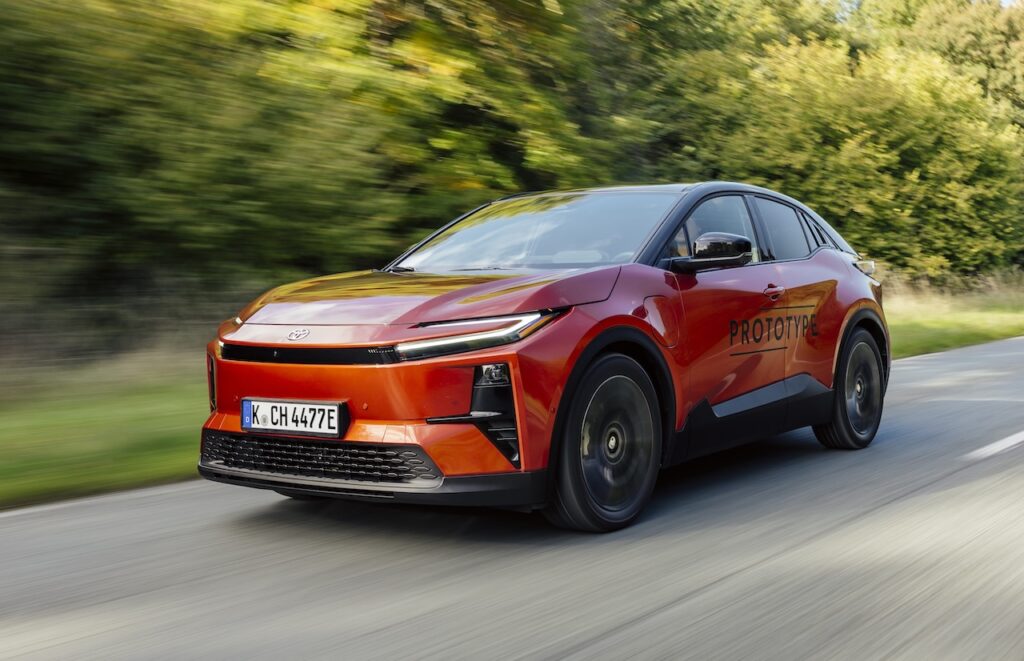
Toyota has announced the addition of three new BEVs; the HiLux (H1 2026), the bZ4X Touring (H1 2026) and the C-HR EV (mid-2027) and one FCEV, the HiLux (2028). A LandCruiser EV could globally launch as soon as 2026.
While more EVs will come and maybe some more FCEVs – the latter won’t equal much volume – much of the heavy lifting to achieve this 30/30 target will be done by PHEV.
That’s because PHEV is currently better suited to heavy duty 4x4s, utes and commercials than EV and for now Toyota’s cash-generating LandCruiser, Prado, HiLux and HiAce are all exclusively diesel. A petrol-electric plugless hybrid LandCruiser launches in Australian in 2026.
Post 2027 the NVES CO2 emissions reduction turns the screws tighter on diesel. Toyota has previously signalled its plans to introduce electrification to these models by 2030.
“I think plug-in hybrid in particular is a really accelerating, credible technology, and I think it’s exactly right for Australian consumers,” said Hanley.
“Not all will want it, but particularly, for example, on a heavy commercial that may not be used so much for heavy off-road and may be used very much for highway driving, towing on highways and or city. I think that sort of vehicle would suit that person.”
Hanley stressed – as he has previously – that diesel will continue to play a role in Toyota’s line-up. But he also reiterated it would be diminishing.
“I still see a role for a diesel for someone who’s doing heavy commercial use,” he said.
“I’m on record as saying I believe that over the next decade it will diminish. I think that’s just a reasonable expectation.
“It won’t go away, but it certainly won’t be as dominant as it is today. It simply can’t be. Having said that, you’ve got to have the capability to replace it.”
He downplayed the role of hydrogen until next decade.
“FCEV will be a smaller part, a very small part, but in that 2030 to 2035 horizon, I think you’ll start to see that FCEV climb quite dramatically,” Hanley predicted.
Mmmm.
7400% on Z E R O is still naught.
10 FCEV equates to 74 EVs?
Big goals, not.
Toyota, please don’t keep pushing me away.
Trust is almost all gone.