This is getting hard to keep up with! Mazda’s EV strategy changes direction again as Australia readies 6e launch and preps for CX-6e
As Mazda Australia prepares to launch the 6e electric sedan, its Japanese parent appears to be changing course on EVs again.
Mazda’s electrification strategy in Australia is centred on China-sourced battery electric vehicles that are due to arrive in 2026, even as its longer-term standalone EV ambitions are reported to be evolving.
The all-electric 2026 Mazda 6e sedan, developed and built in partnership with Chongqing Changan Automobile Co., is scheduled for local showrooms this year with pricing expected below $55,000.
READ MORE: Mazda CX-6e coming to Australia! Stylish Tesla Model Y fighter locked in for 2026 arrival
READ MORE: 2026 Mazda 6e Review: Is this Chinese-built newcomer with a famous name a viable alternative to the Tesla Model 3 and BYD Seal?
READ MORE: Carbon muncher! 375kW Mazda Vision X-Coupe combines electric tech, synthetic fuel and the ability to capture CO2 emissions
That positions it directly against rivals such as the Tesla Model 3, BYD Seal and the Kia EV4 in the mid-size passenger car EV segment.
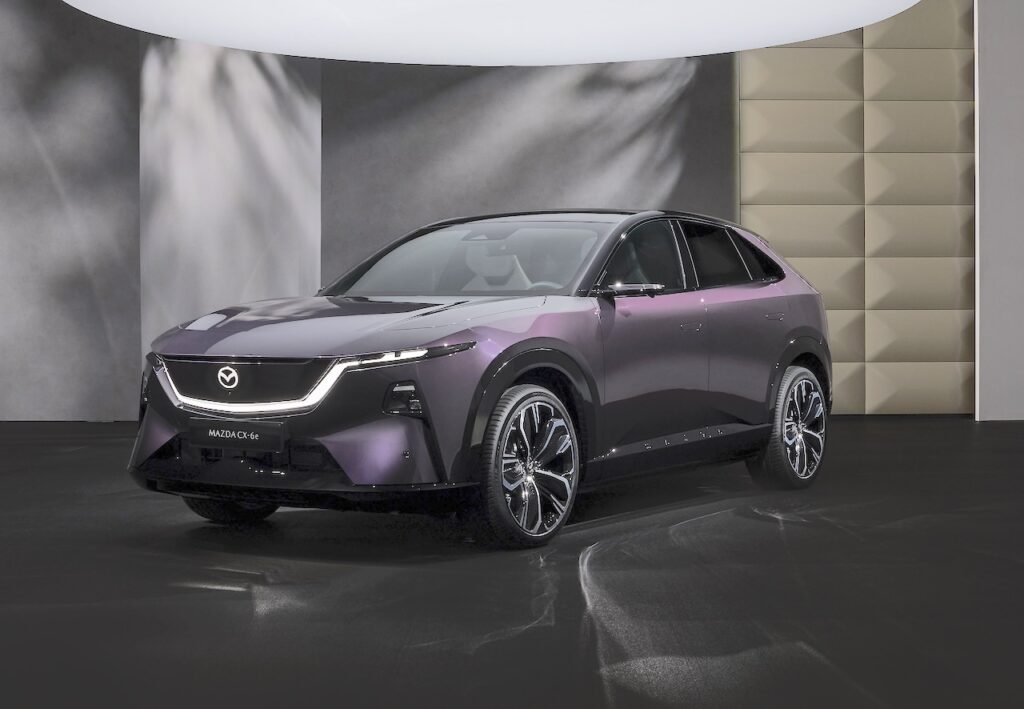
Alongside the 6e, Mazda has also confirmed the CX-6e electric SUV for Australia in 2026.
Sharing much of its hardware with the sedan, the SUV is expected to target popular mid-size electric rivals such as the Tesla Model Y, combining a large LFP battery, rear-wheel drive layout and European-tuned chassis settings.
However, while these Changan-partnered EVs move ahead for global and Australian markets, reports from Japan say Mazda has delayed the launch of its first dedicated in-house electric vehicle platform by at least two years.
According to Japanese media reports cited by Automotive News, Mazda is now unlikely to introduce its first wholly Mazda-engineered EV before 2029.
It is instead placing greater emphasis on hybrids and existing partnership EV programs in the interim.
The reports point to changing regulatory settings, tariffs and softer EV demand in key markets such as the United States as contributing factors.
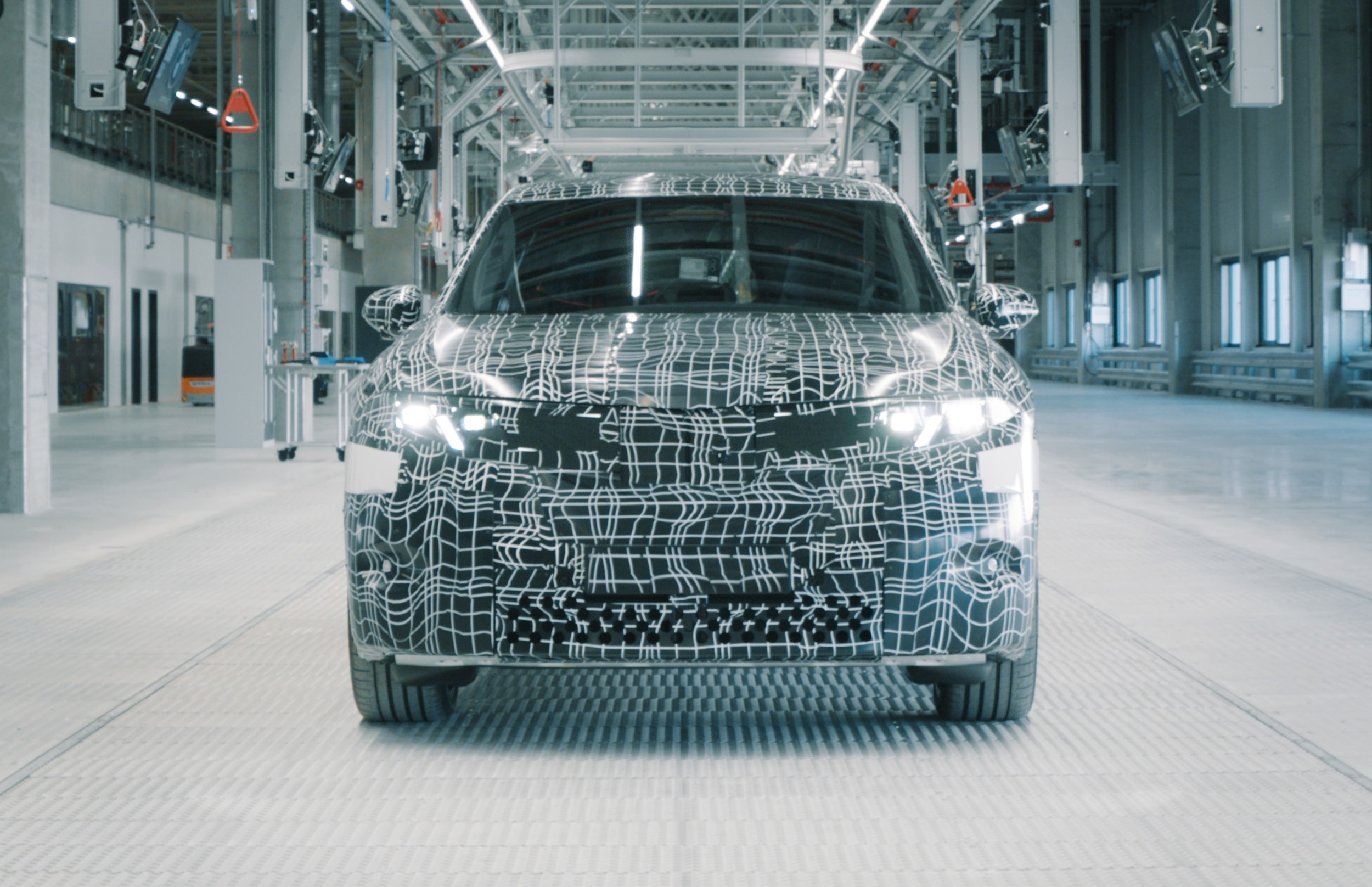
This sits in contrast to earlier statements from Mazda executives outlining plans for a ground-up, standalone EV developed by a dedicated E-Mazda electrification team, with prototypes already testing and ambitions to match the pace of advanced Chinese EV rivals as early as 2027.
However, it’s very much inline with other auto manufacturers who have tempered their EV ambitions and timelines.
Mazda has not confirmed the specific revised timing but says it continues to develop EV technology under its “multi-solution strategy”, balancing hybrids, plug-in electrified models and battery electric vehicles depending on market conditions and customer demand.
“This information has not been released by our company,” a spokesperson said. “We continue to advance the technological development of our proprietary BEVs based on our multisolution strategy and will determine the timing of their introduction while carefully assessing regulatory trends in each country and changes in customer needs.”

That aim has been encapsulated in the mazda Vision-X Coupe shown off at the Tokyo motor show, with its rotary plug-in hybrid powertrain and CO2 carbon capture tech.
For Australian buyers, the immediate result is clear: the 6e sedan and CX-6e SUV will provide Mazda’s first serious entries into the local EV market in 2026. At the same time, the timeline for fully Mazda-engineered electric vehicles appears less certain than it did only months ago.
Early Australian impressions of the 6e describe it as a competent and comfortable EV with strong range, generous equipment and a high-tech cabin, though its heavy reliance on touchscreen controls and Chinese underpinnings mark a departure from what many buyers traditionally associate with Mazda’s driving character.