Polestar plea! Keep the FBT exemption for EVs, but axe it for dual cab utes
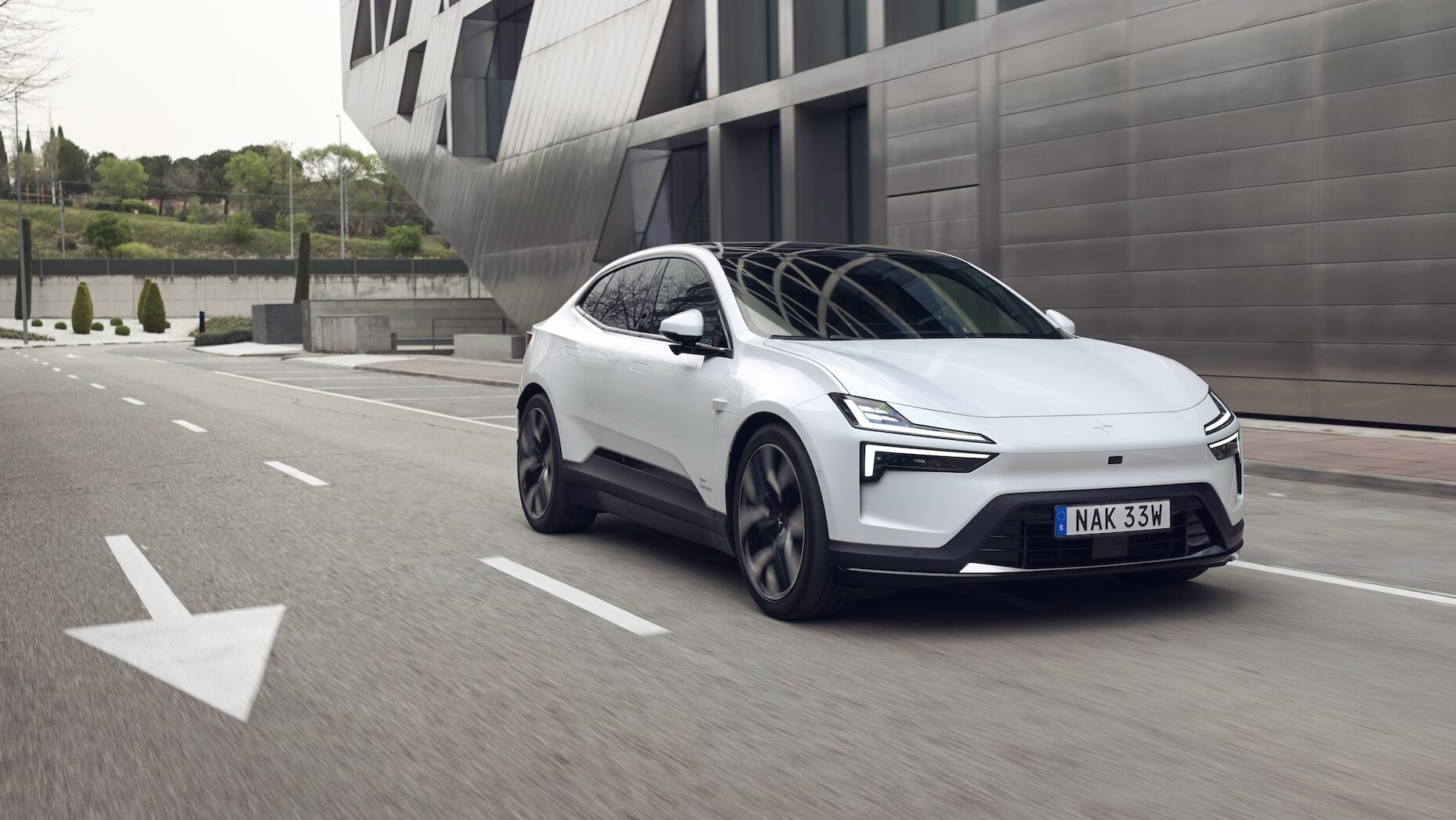
Polestar has urged the Australian federal government to axe subsidies for diesel and luxury utes rather than the Fringe Benefits Tax (FBT) exemption for electric vehicles.
The exemption, which has aided the purchase of almost 100,000 EVs since the Electric Car Discount bill was passed in 2022, is now up for review with a decision on its future due in 2027.
While encouraging EV sales, which topped 100,000 for the first time in 2025, the exemption has also proved far more expensive than forecast by the federal government.
READ MORE: Stripped! Polestar 2 and Polestar 4 now up to $15,000 cheaper as part of massive discounts
READ MORE: 2026 Polestar 4 EV updated in Australia for 2026
READ MORE: Polestar concept blitz! Electric premium brand will reveal new design direction with a series of show cars as performance focus increases
In 2025-26 the benefit is forecast to cost $1.35 billion. To the middle of the next decade that number escalates to $23.4 billion.
But Polestar Australia chief Scott Maynard said axing the exemption would be counter-productive and advocated an end to subsidies for CO2-emitting vehicle such as diesel utes instead.
“This is not the time to change the settings they’ve got on the FBT relief for electric vehicles,” Maynard said.
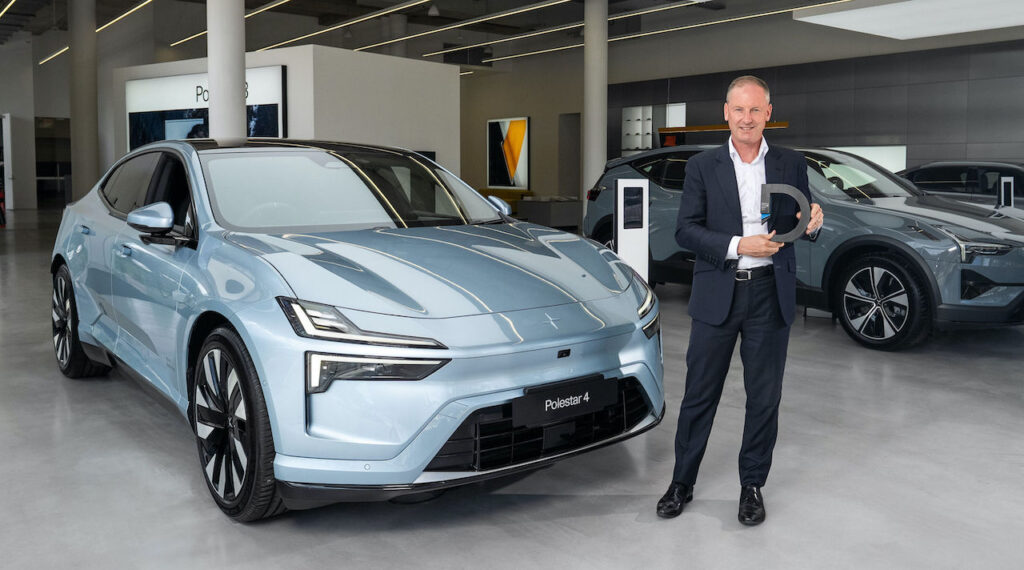
“The government’s published goal is to see 50 per cent of the market buying electric vehicles by 2035. They are nowhere near that and they are not tracking towards that.
“So I fail to see how the program could be overspent when the results are underdone. The two simply don’t line up.
“It would suggest it was under-budgeted from the start.”
Maynard, who oversaw a business that climbed 38.6 per cent in sales in 2025, warned that EVs cracking the 100,000 sales barrier should not act as a justification for changing or axing of the exemption.
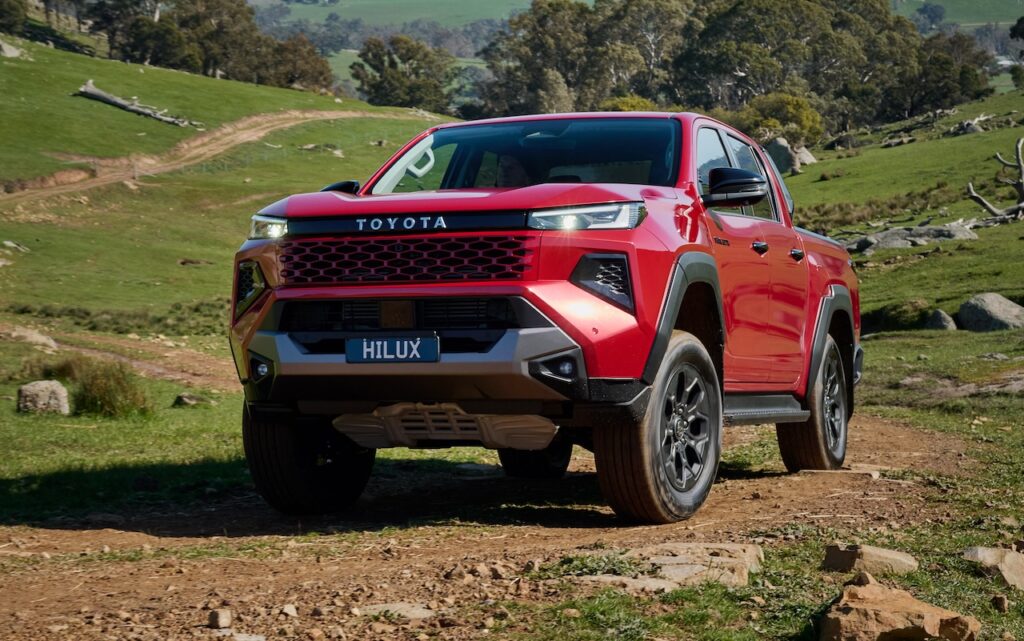
He instead turned the blow torch on utes, which account for nearly one quarter of total new vehicle sales in Australia and are also eligible for FBT exemptions.
More expensive utes also claim discounts via a loophole in the luxury car tax.
“If the government is seeking to rationalise its expense through FBT subsidies I feel strongly that it should be looking at the money it is investing in the sale of dual cab utes before it looks at electric vehicles.
“We all accept electric vehicles present drivers now with sufficient choice, a lower running cost and vehicles that are fun to drive and easy to own.
“And we all accept there are tangible and measurable health benefits to the cleaner air they will provide us.
“And yet we don’t think twice about the billions of dollars the government is sinking into the sale of dual cab utes, to the point we are selling 1.5 times the utes that we have tradespeople.
“That would seem to me to be a much easier win that going after a corner of the market that’s doing good things.”
Separately, Maynard expressed support for the introduction of a road user charge, but urged it be done fairly.
The charge is being proposed as a way to maintain revenue from road users as EV numbers increases and petrol sales – and therefore tax receipts – go down.
“I think that there’s a degree of inevitability about a road user charge,” said Maynard.
“I would suggest that there is a place for a road user charge, and it needs to be introduced, but only if it is introduced and at the same time all of the other various road user charges are then rationalised and reconciled.
“There are so many different taxes and charges and fees that an Australian motorist pays for the privilege of putting a car on the road by the time they’ve coughed up for a myriad of licence fees and registration fees and various stamp duties and compulsory insurances and plate fees and all sorts of things that they’ve got to pay.
“If we could rationalise that and get it back to a road user charge, that would actually make a fair bit of sense to me.
“A road user charge still should consider the substantial benefits that an electric vehicle brings to an Australian motorist over a petrol or diesel vehicle and consider not just what they’re doing in terms of a maintenance requirement on Australian roads, but what they’re contributing to the air quality of our cities, towns and rural landscapes.
“If you consider all of that, then you would expect that a road user charge would favour electric vehicles and I sincerely hope that that’s what’s being considered by government.”