Kia’s Aussie EV business case woes: EV4 hatch not confirmed yet, EV2 SUV never likely to be
Slovakian sourcing is turning out to be a headache for Kia’s EV expansion plans in Australia.
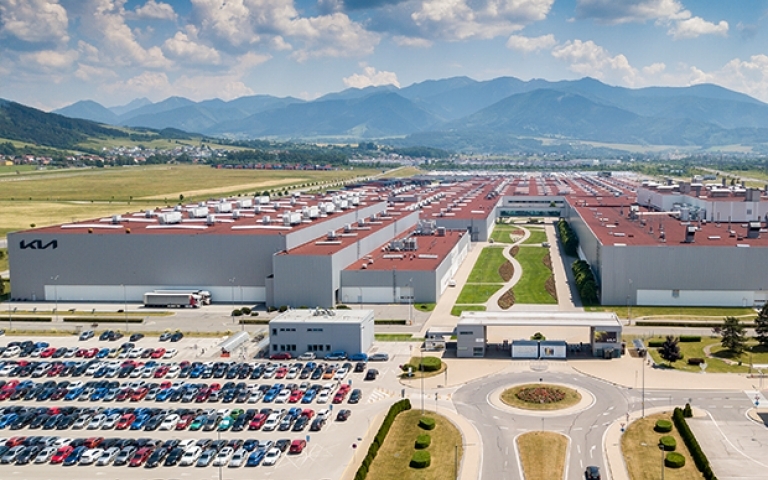
For a brand that has been one of the most aggressive in rolling out dedicated EVs locally, the location of Kia’s European factory in Žilina, Slovakia, is emerging as a genuine commercial barrier to getting some of its newest electric models onto Australian roads.
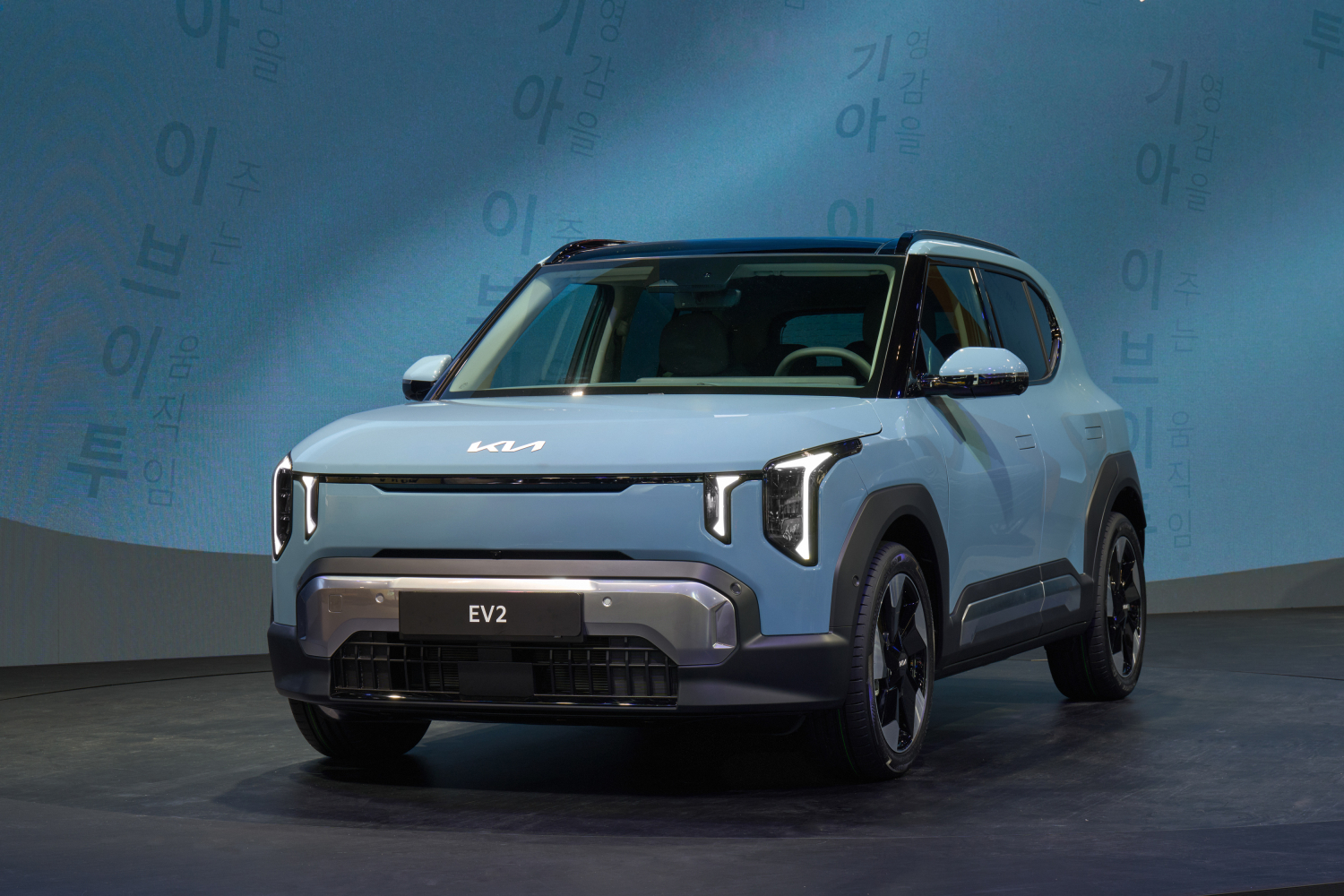
At the centre of the issue are the EV4 hatchback – including the performance-focused EV4 GT – and the smaller EV2 city SUV.
READ MORE: Kia explains Aussie EV GT expansion plan: EV3 GT hot hatch looking good, but what about EV4 GT and EV5 GT?
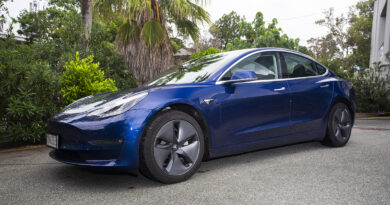
READ MORE: 2026 Kia EV4 Review: Value-focussed electric sedan joins Australia’s growing EV market to take on Tesla Model 3, BYD Seal
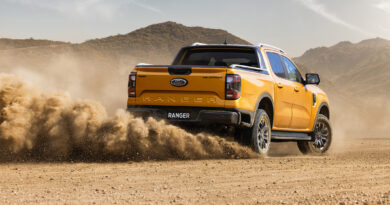
READ MORE: As BYD Shark 6 sales soar, Kia eyes plug-in and EV power for struggling Tasman ute
All three are built in Slovakia, and all three are now facing uncertain, or in the EV2’s case, unlikely, prospects for Australia because of the added transport costs involved in getting them here.
Kia Australia is still working through the business case for the EV4 hatchback, even as the EV4 sedan has already launched locally. The reason is simple: the sedan is built in Korea, the hatch is built in Slovakia.
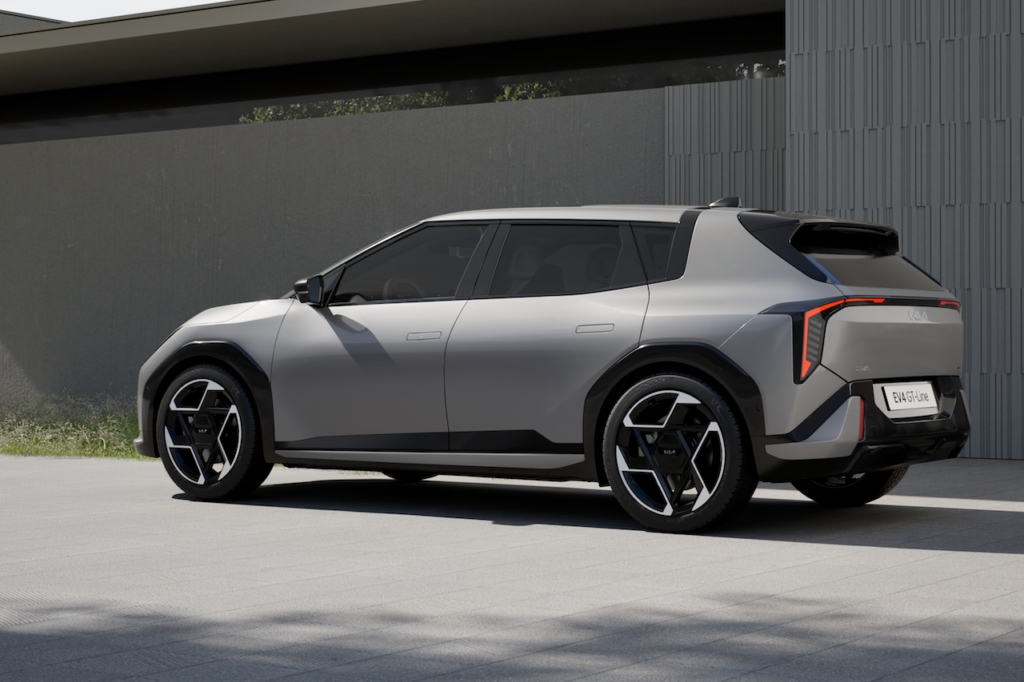
That difference in sourcing means the hatch costs more to land in Australia. And that creates a problem Kia doesn’t traditionally have.
Historically, Kia has priced its sedan and hatch versions of the same car at parity. The current K4 petrol small passenger car is an example of this, as was its predecessor the Cerato.
But in this case, matching the EV4 hatch to the EV4 sedan’s pricing is proving difficult because of shipping and logistics costs from central Europe.
“I think that if we get the price right, the EV4 hatchback could still outsell the EV4 sedan,” said Kia Australia product planning chief Roland Rivero.
“Deep down as a product planner, the hatch to me makes more sense for Australia.
“Our pricing proposal always is just like K4. The market does not care whether you source a car from one place or another. They only care about the fact that it’s fundamentally the same car just in a hatchback.”
The challenge is how much extra cost buyers would tolerate.
The feeling inside Kia is that a premium of around $1000 to $1500 over the sedan might be acceptable. Much more than that, and Rivero fears buyers would simply walk away.
“As much as I know Australia’s very hatch-favourable as a body style, how much more would they pay for it? Or would they actually look at it as, ‘Kia, you’ve lost the plot’,” he said.
“If we manage to get our negotiations up to that nice $1000 to $1500 … it’s coming.”
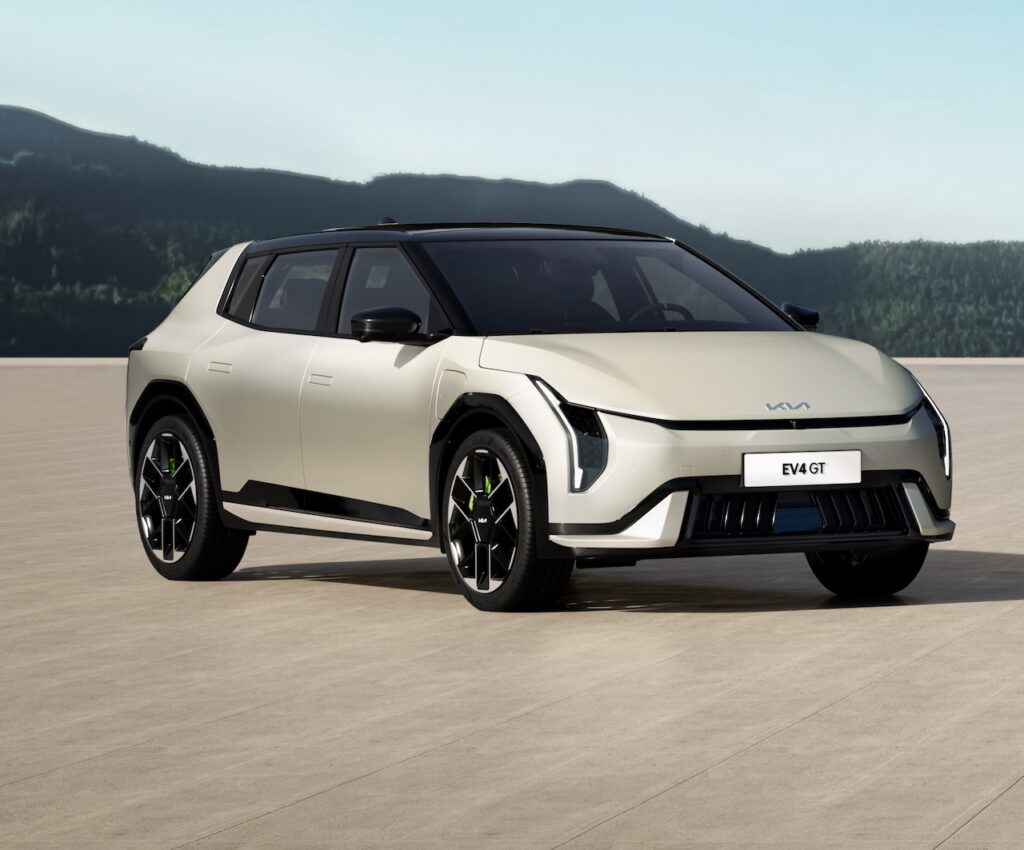
That same sourcing issue also clouds the future of the EV4 GT. Like the hatch, it is built in Slovakia, meaning it carries the same cost disadvantage compared to Korean-sourced models. Its fate is effectively tied to how well Kia can make the numbers stack up on the regular hatch.
A decision on the EV4 hatch – and by extension the EV4 GT – is due this quarter.
If the EV4 hatch is a close call, the prospects for the smaller EV2 are looking far more remote.
The business case for the EV2 is struggling even more because it would be very difficult to position it below the larger EV3 in price once transport costs from Slovakia are factored in.
“We’re still doing the number crunching,” Rivero confirmed.
“But it’s important for us to consider EV2 feasible for Australia that it has to be positioned below EV3.”
The EV3 currently starts at $47,600 plus on-road costs for the Air Standard Range. That is already under heavy pressure from Chinese compact electric SUVs such as the BYD Atto 2 priced from the low $30,000s.
The EV2 is 240mm shorter than the EV3 and is designed as a smaller, more affordable urban EV. But if it arrives here priced at EV3 money, the logic falls apart.
EVs built in Europe avoid the five per cent import tariff that applies to many other vehicles entering Australia. But even with that advantage, the sheer distance from Slovakia to Australia is eroding any pricing benefit.
The EV2 will offer a choice of a 42.2kWh battery with a claimed 317km range and a larger 61kWh pack targeting around 448km (WLTP pending), along with a high-tech triple-screen interior and eco-focused materials.
And if EV2 can’t be made to work, the even smaller, Picanto-sized EV1 – also slated for Slovakian production later this decade – looks even less realistic for the local market.