Health warning: Enormous diesel health bill prompts call for faster EV transition
A University of Melbourne discussion paper has estimated emissions from Australia’s trucks and buses are linked to more than $6.2 billion in annual health costs, adding to calls for a faster transition to lower-emission freight transport.
The report, titled The Unpriced Burden: Heavy vehicle emissions and the $6.2 billion health cost, examines the health impacts associated with emissions from heavy vehicles over 4.5 tonnes and models the economic cost of those impacts.
According to the paper, heavy vehicles contribute about a quarter of Australia’s on-road transport emissions and are a significant source of nitrogen dioxide (NO₂), which is used in the analysis as a proxy for vehicle exhaust pollution.
The study links long-term exposure to traffic-related air pollution with health outcomes including cardiovascular and respiratory disease, childhood asthma, lung cancer and premature mortality.
Using national exposure modelling and selected health endpoints, the authors estimate annual health-related costs of about $6.2 billion, noting the figure is conservative because it excludes some impacts such as short-term exposure effects, noise and non-exhaust emissions.
The paper argues that public health impacts are not sufficiently considered in current heavy vehicle policy settings and recommends greater integration of health outcomes into future regulation, including measures aimed at reducing exposure in urban areas and removing high-polluting vehicles from the fleet.
The paper highlights Melbourne’s inner west as an example of high exposure, citing modelling that estimates elevated rates of childhood asthma associated with heavy vehicle pollution in the area.
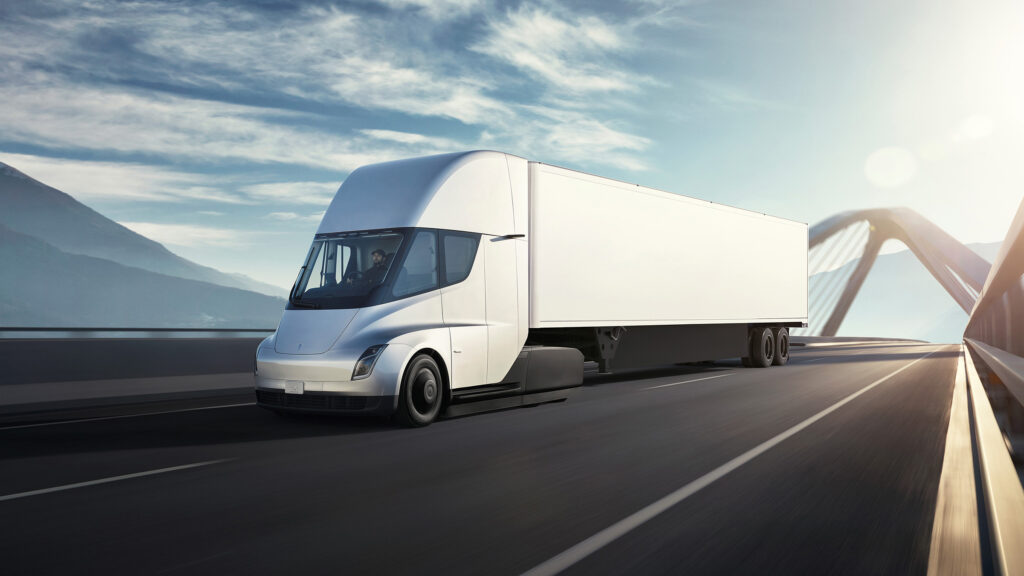
The Electric Vehicle Council said the findings strengthen the case for accelerating the uptake of electric trucks and buses, and called for stronger policy support for zero-emission heavy vehicles.
The EVC’s Senior Policy Officer for Heavy Vehicles, Cameron Rimington, said the findings add new impetus for drastic action to switch to cleaner freight vehicles.
“We’ve always known that burning diesel and breathing what comes out of the tailpipe is bad for us. This new research shows us just how bad. Switching to cleaner, electric options is not some distant climate policy out on the never-never; it’s a public health priority right now.”
“This research makes clear that continuing to rely on diesel trucks and buses is costing Australians dearly — in hospital admissions, chronic disease and premature deaths. This research puts a dollar figure on the damage — $6.2 billion every year. That’s a cost Australians are paying whether they drive or not.”
“Currently, there is very little support to help Australian drivers to shift away from diesel. India and New Zealand offer more incentives to help their truckies go electric than Australia does. They understand that heavy EVs aren’t just about reduced operating costs for drivers – the rest of society also benefits from less pollution, better air quality and reduced health costs.”
The EVC is also advocating for the establishment of Australia’s first low-emission “Clean Air Zone”.
Rimington says such policies have been hugely successful overseas by gradually limiting access for the most polluting vehicles in dense population centres.
“In Melbourne’s inner west, where truck volumes are especially high, hundreds of excess childhood asthma cases are estimated to be linked to heavy vehicle pollution. Clean Air Zones should be the top of the agenda for all state and local governments who care about the air we breathe.”