EV batteries surviving longer than expected – I bloody told you they would | Opinion
Who else loves a news site’s comments section?
C’mon, course you do. Thoughts echoing yours, or comments from wrong ’uns and crazies that prove entertaining and worrying in equal measure.
Electric vehicles – like pineapple on pizza – get militant keyboard warriors out in full force.
As a News Corp Australia motoring contributor – hey, quit your damn booing – I write for our country’s most read news website and Australia’s highest circulation newspapers.
That means a wonderful cross section of society giving feedback in the comments, or, as I’m something of a motoring agony aunt, sending personal emails too.
READ MORE: 400,000km Aussie Tesla Model 3 goes viral with 90% health on its original battery.
READ MORE: VW ID.3 drops just 13km in range over 160,000km driving.
READ MORE: Next-gen Blade battery is as fast to top up as petrol: 10-70 per cent charge in five minutes!
I get some rippers.
I’m told – a lot – that I’m a clown, idiot, liar, cash-for-comment EV evangelist (and much worse) whenever I dare recommend or champion electric vehicles.
Tell a V8 Commodore owner looking for a new car that he should consider something battery-only and I pretty much qualify for police protection.
The arguments against EVs for certain people, or certain uses, are well known and basic common sense. I’m yet to recommend a Tesla Model Y to anyone lapping Australia with a 3000kg caravan, for example.
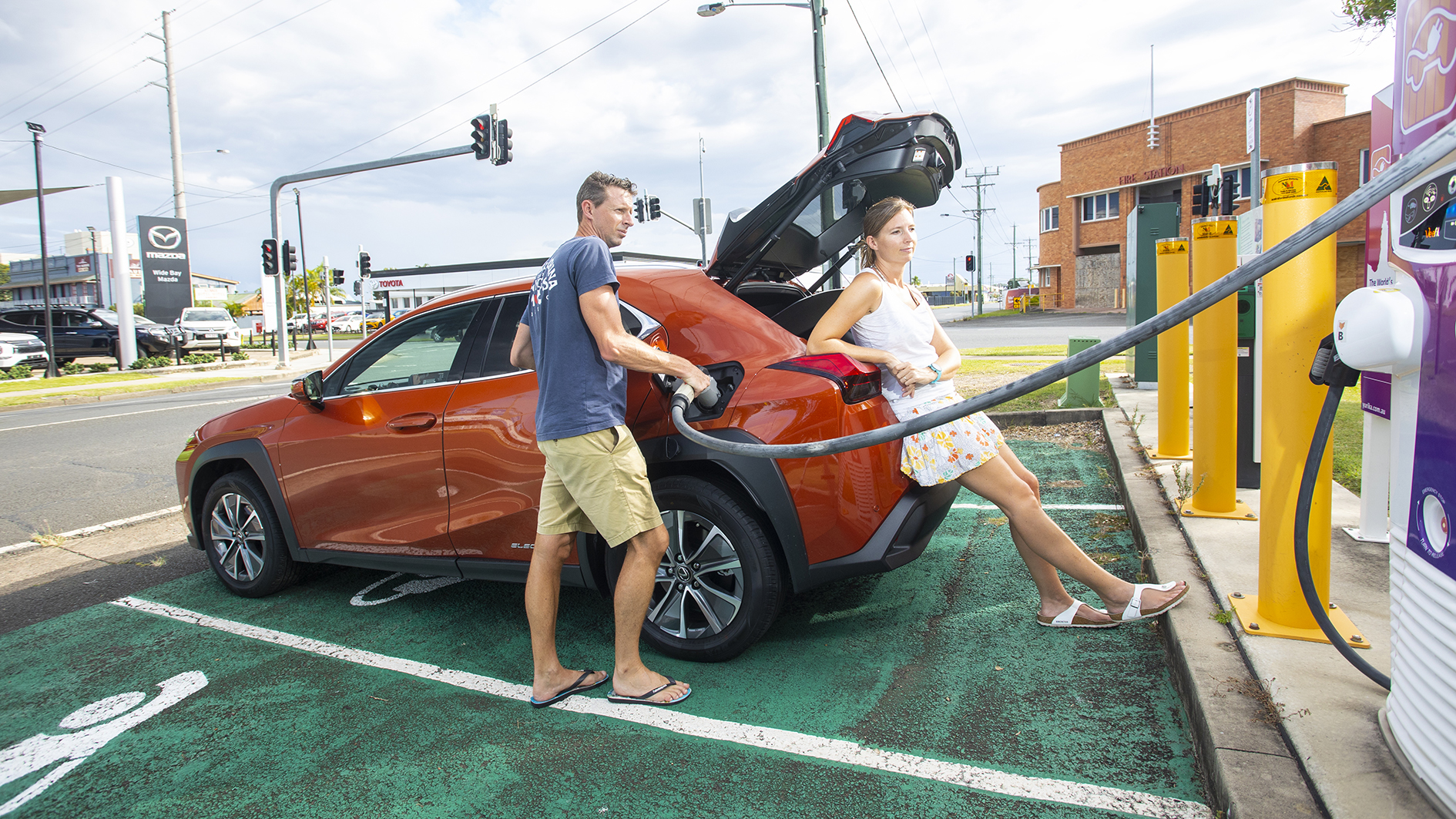
EV negatives? Cost of entry (that’s coming down), limited battery range (improving), charging times (I agree, frustrating), charging infrastructure (often shit, depends on your luck that day), rubbish resale (can be true), future obsolescence (unlikely) and environmental impact (a long pub discussion) are all front and centre.
But the biggest gripe I hear is battery life.
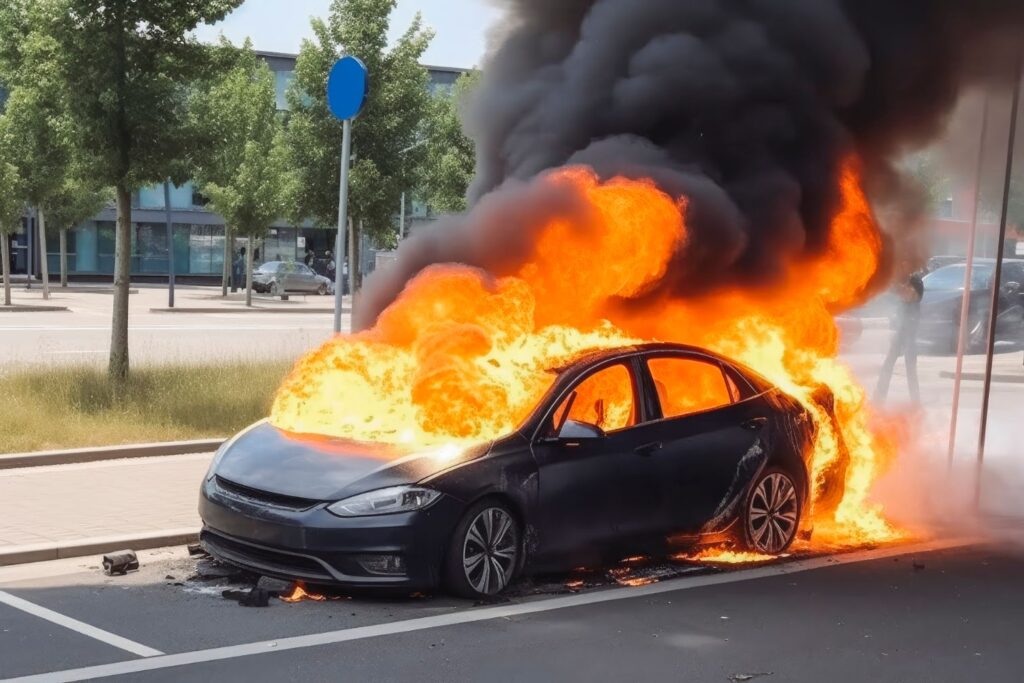
I’ve had a chap insist to me – insist – electric cars are landfill after seven years as their batteries fail and the cost of repair is more than the car’s worth.
That’s despite practically every EV coming with an eight-year/160,000km high-voltage battery warranty assuring State of Health (SoH) above 70-odd per cent, or it’s replaced for free.
So here comes the “I told you so” bit.
When legacy brand EVs arrived with such a battery health guarantee – I specifically recall Hyundai in 2018 with its Ioniq EV – it was obvious (to me, anyway) that these big Duracells had serious game.
Car manufacturers are businesses. They aren’t about to bet the farm on giant expensive batteries that could capitulate in under eight years. The warranty repair costs would be ruinous.
Car companies must have locked in cast iron guarantees from battery providers – CATL, SK Innovation, Panasonic, LG, etc. that their products would go the distance. Or that eight-year/160,000km warranty simply would never have been offered.
Which lands us on results from a reasonably comprehensive EV battery health study from our UK cousins.
The Brits, after all, have a more mature EV market than Australia’s, with many more electric vehicles circulating their cold, grey land than our sunburnt one.
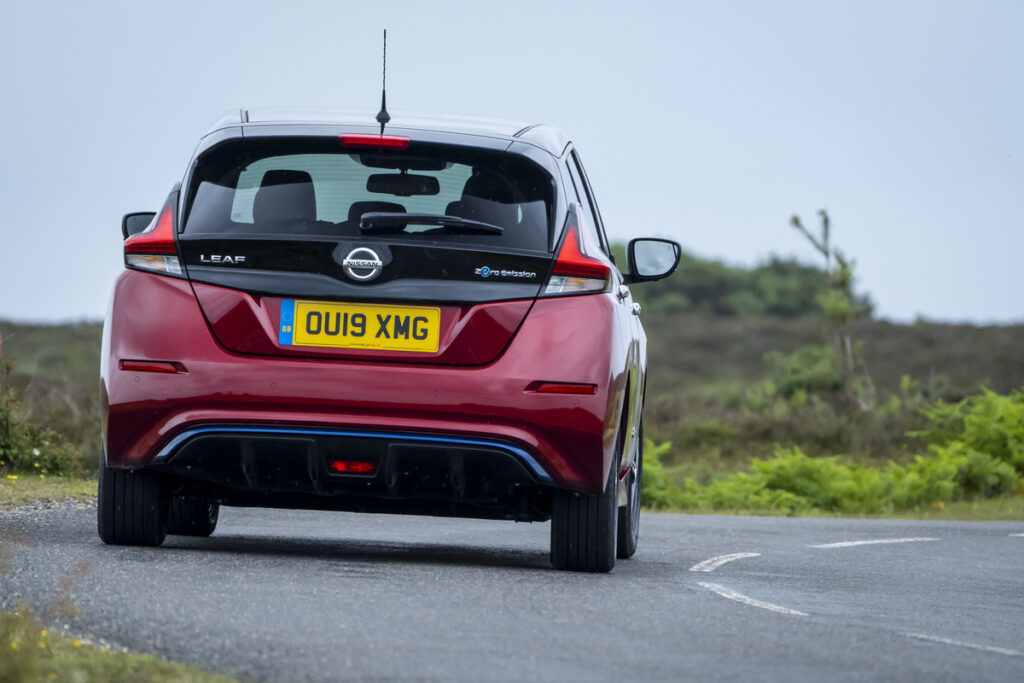
EV battery health and degradation expert firm Generational has conducted the UK’s largest ever study on the topic, and very positively, battery life is performing better than expected.
Or, as I’d frame it, as well as I expected it would almost a decade ago.
It’s called the 2025 Generational Battery Performance Index, and the White Paper is available as a free download.
Generational analysed 8000 EVs across 36 different manufacturers, using cars aged from new to 12 years old, with between 0 and 250,000km showing.
Looking at results across the entire study group, the average battery SoH was 95 per cent. Solid.
Perhaps most importantly, for older EVs – ones aged between eight and 12 years and therefore outside factory warranty for the high-voltage battery – the average SoH reported was 85 per cent.
There’ll always be those piping up with straw man arguments, like their LandCruiser has happily covered 600,000km with the last oil change in 1993. “Let’s see if your bloody EV vacuum cleaner can do that, mate.”
Well hang on. It’s common knowledge many DC fast charging cycles ain’t great for the ol’ EV battery health, but Generational still returned positives for the higher-mileage electrics it studied.
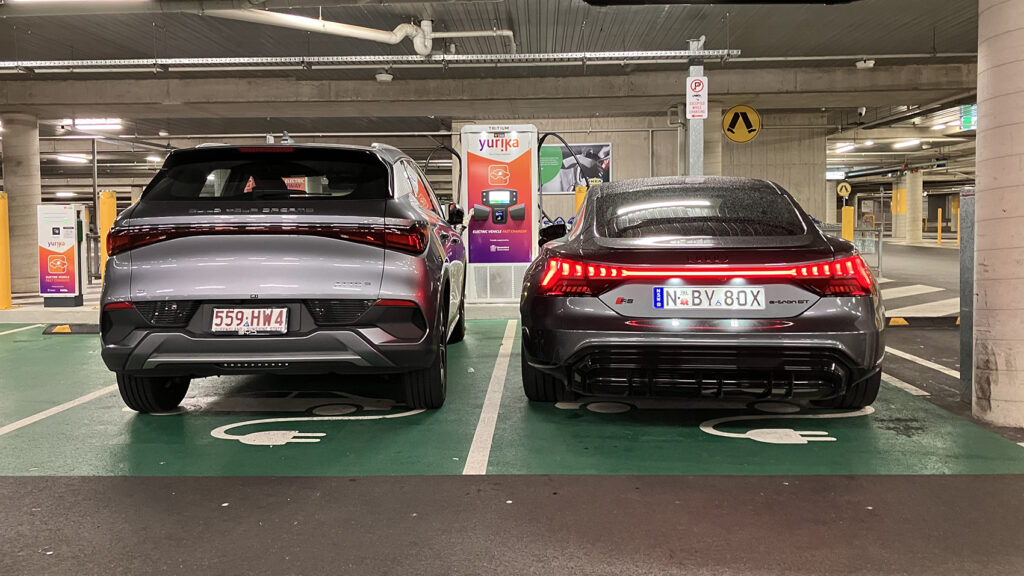
It reported EVs with close to (or over) 200,000km on the clock frequently returned 88-95 per cent battery health.
Not sure many combustion engines could be deemed that healthy after 200,000km of hard labour.
It’s just one report of course, but with 8000 EVs evaluated and very positive SoH figures, the results are worth pointing out to EV haters who’ll assure you Teslas are only useful as boat anchors once they reach seven years old.
Add more meat to your argument’s bones? High-voltage battery tech has vastly improved in the past decade, so my next call is EVs being sold today will enjoy even better SoH figures when the 2035 study is completed.
I look forward to my follow-up opinion article ten years from now.