Bumpy ride: Tesla’s big bet on driverless tech is encountering some heavy traffic
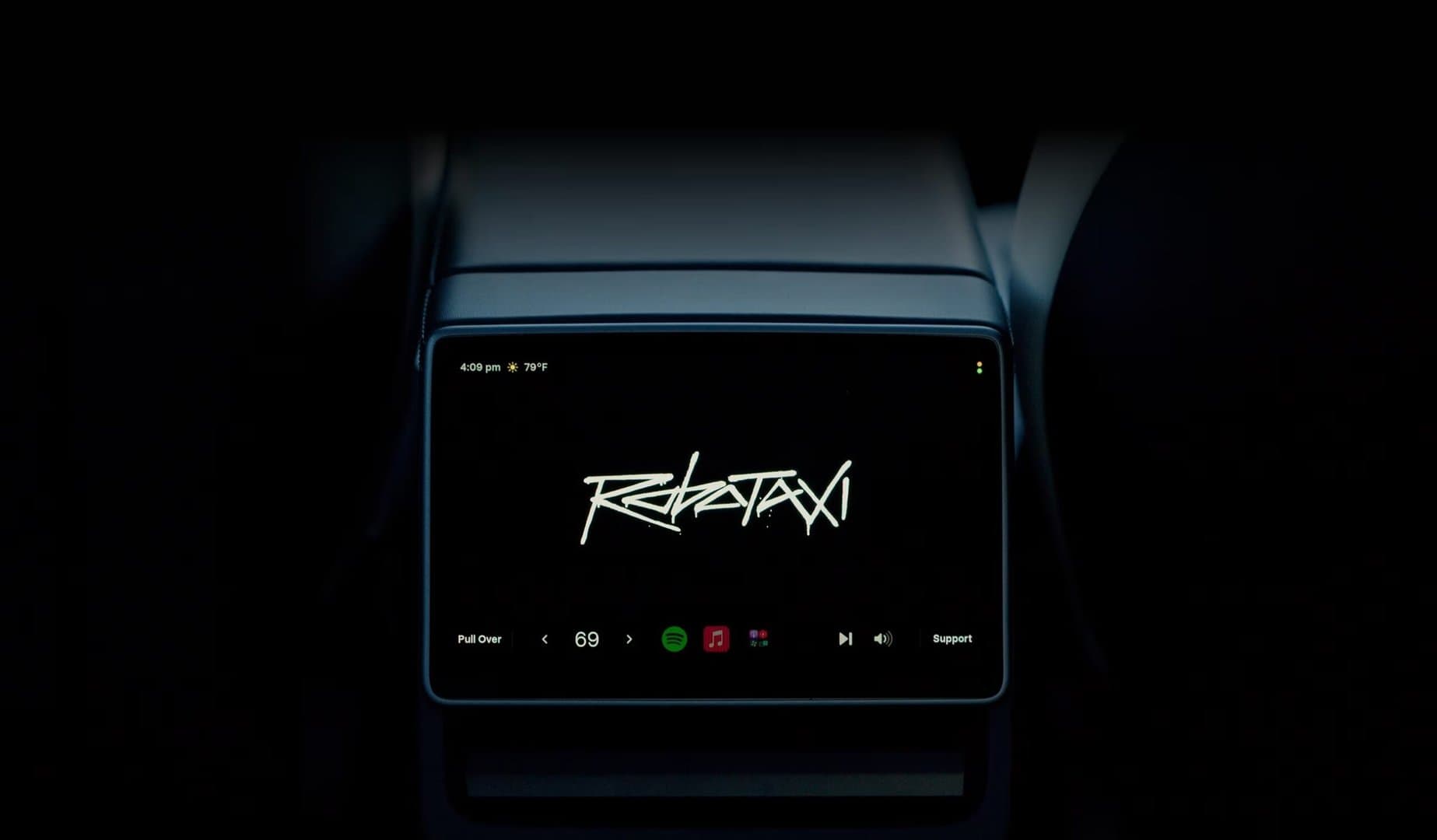
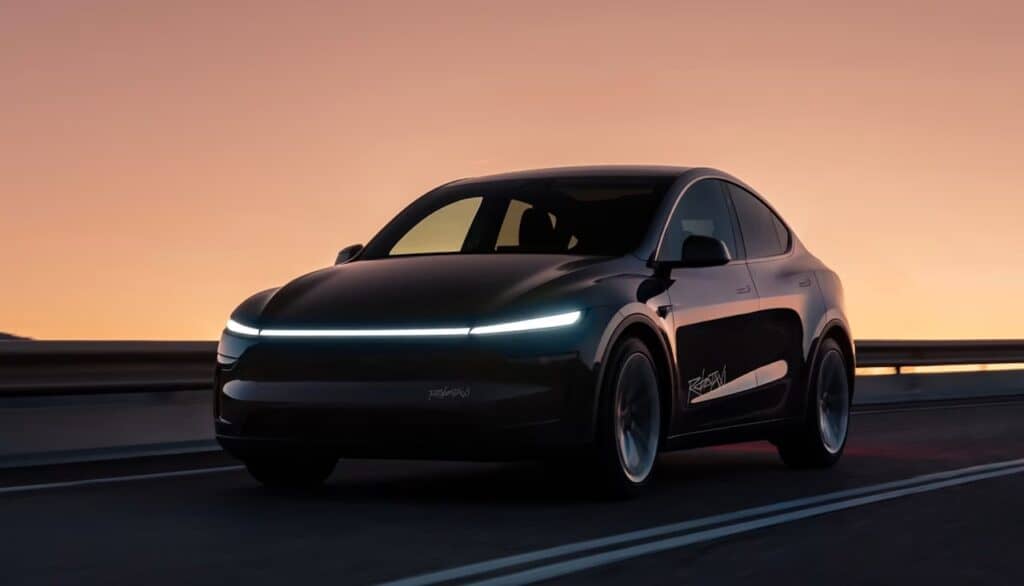
EV pioneer Tesla’s robotaxi service has recorded 14 reported incidents in its first months of operation in Austin, Texas, raising fresh scrutiny of the company’s autonomous driving rollout as it prepares to expand the program.
The driverless vehicles, which launched last summer, have been involved in a series of low-speed crashes and minor incidents while operating on public roads.
The latest reported case involved a Tesla robotaxi hitting a fixed object on a straight road at about 27km/h. Other incidents include a vehicle reversing into a tree at less than 2km/h and another striking street furniture at around 3km/h. In a separate case, a robotaxi was hit by a bus while stationary.
READ MORE: Done deal! Tesla Model YL six-seater confirmed for Australia; top-selling electric SUV family set to expand within months
READ MORE: What’s in a name? Tesla Model 3 and Model Y are now Premium, but don’t read too much into it
READ MORE: End of an era: Tesla’s transformative Model S and idiosyncratic Model X have been axed to make way for robot production
Tesla is understood to be operating a relatively small pilot fleet in Texas, estimated at between 30 and 35 vehicles, despite earlier plans suggesting a much larger rollout.
Analysis published by US outlet Electrek claims the fleet has recorded one crash roughly every 92,000km across about 1.3 million kilometres of operation. Industry insurance data suggests human drivers typically record fewer crashes over comparable distances, although direct comparisons remain difficult given the limited size of the robotaxi fleet and differences in operating conditions.
The incidents come as autonomous vehicle operators across the US face increasing attention from regulators and the public.
Waymo and Zoox have also faced scrutiny following recent crashes involving their driverless vehicles. In January, Waymo confirmed one of its robotaxis struck a child near a school in Santa Monica, California, causing minor injuries. The company said the vehicle braked before impact and claimed the system reacted faster than a human driver could.
Waymo, which has been testing autonomous vehicles since 2009, says its cars have travelled more than 205 million kilometres and have been involved in significantly fewer injury-related crashes than human-driven vehicles, although safety comparisons between operators remain complex due to differing data sets and operating environments.
Waymo currently operates in six US cities and says it now delivers more than 400,000 rides per week, with plans to expand into 20 additional cities in 2026.
Analysts say public perception of robotaxi safety remains divided, with confidence in autonomous technology influenced heavily by high-profile incidents and media coverage.
Tesla has made robotaxis a central part of its long-term strategy, even as it confirmed there will be no direct replacements for the Model S sedan or Model X SUV.
The company has said it plans to expand robotaxi operations into seven additional locations this year, but has yet to confirm where those markets will be or how large the fleet will become.