Be smart: New research reveals how to maximise EV dollar savings and the mistakes to avoid when recharging
New research suggests Australians could cut annual running costs by more than $1500 by switching from petrol to electric vehicles, but warns the savings depend heavily on electricity pricing and charging habits.
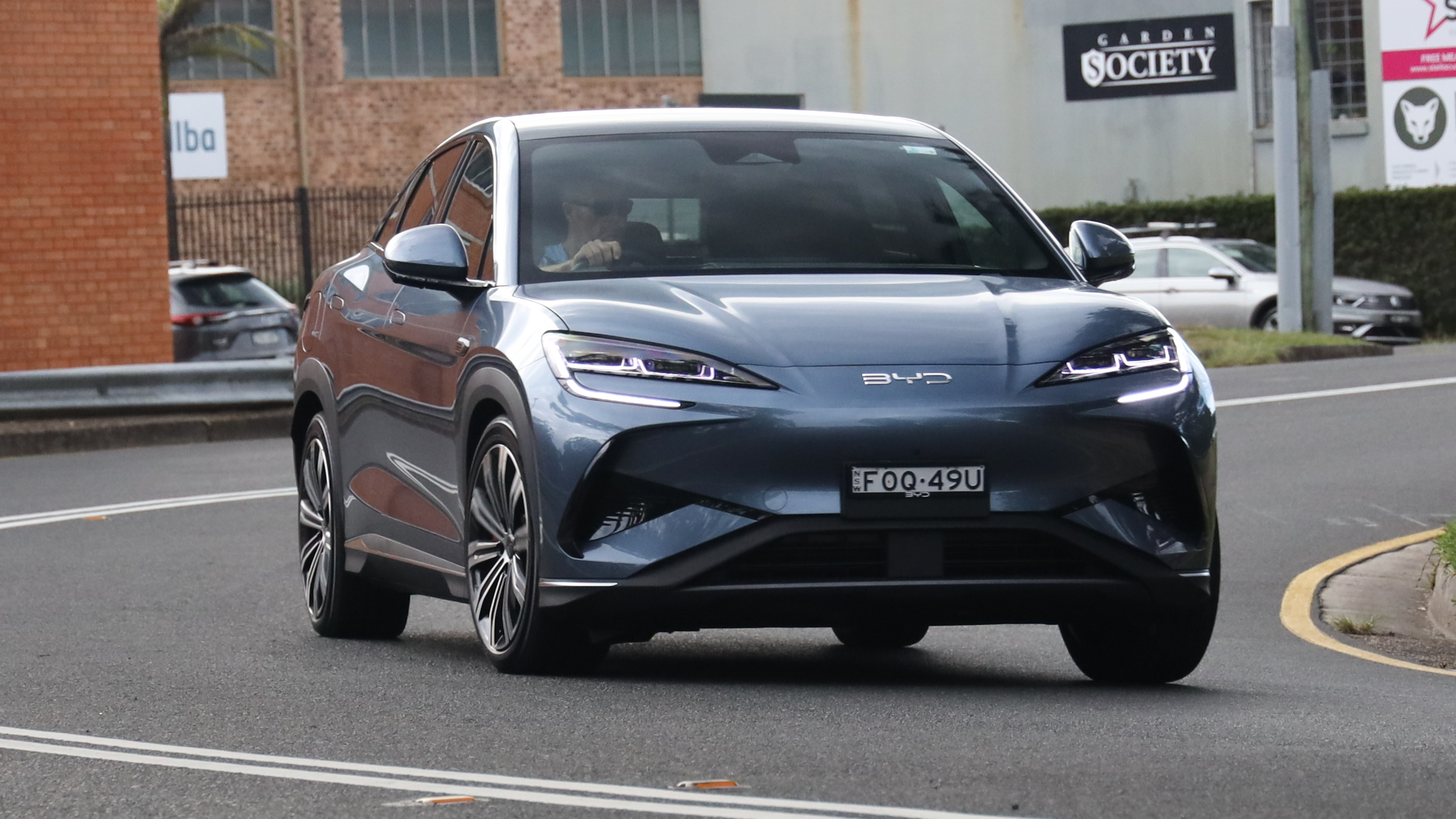
Based on typical fuel and energy prices, the modelling relesased by comparative shopping provider iSelect, found an owner of a BYD Sealion 7 would spend about $892 per year on charging when using a competitive home electricity rate of $0.35/kWh.
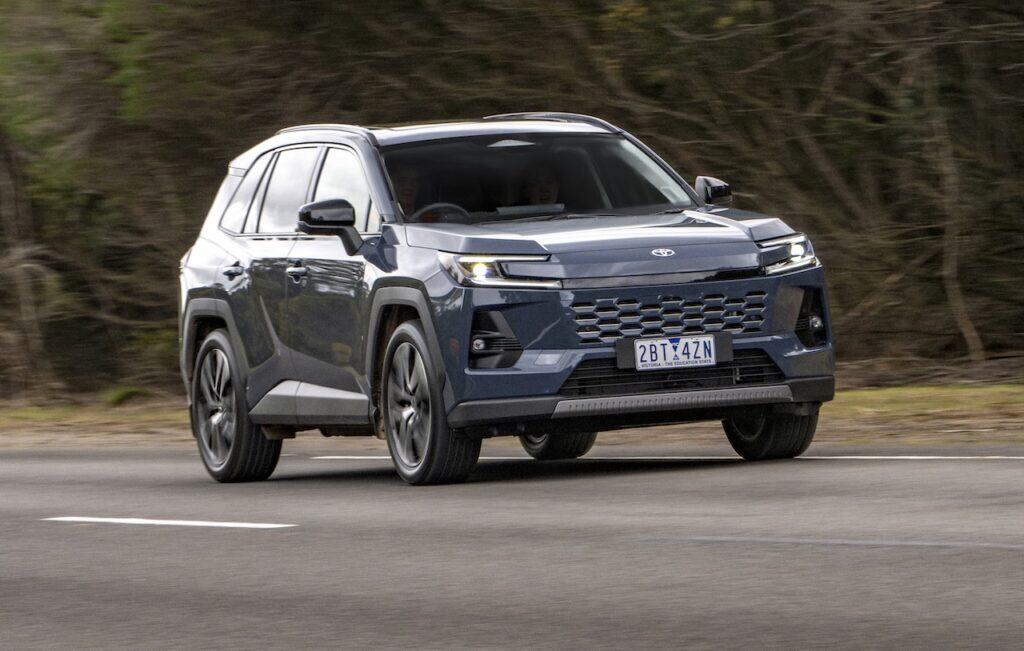
That compares with around $1692 annually to refuel a Toyota RAV4 Hybrid and $2484 for a petrol-powered Mazda CX-5, assuming fuel at $2.40 per litre.
READ MORE: Oil price rise driving global EV surge, including the USA
READ MORE: “It’s going crazy!” EV sales surge as oil crisis accelerates Aussie buyer interest
READ MORE: The Middle-East war, the price of oil and how it impacts on EV owners | Analysis (and some opinion)
The figures equate to a potential annual saving of about $1592 when switching from petrol to electric, although iSelect says those savings are not guaranteed across all scenarios.
| Vehicle running cost comparison | Cost per 100km (typical)* | Cost per 15,000km (typical)* |
| Petrol (Mazda CX-5) | $16.56 | $2,484.00 |
| Hybrid (Toyota RAV4) | $11.28 | $1,692.00 |
| Electric (BYD Sealion 7) | $5.95 | $892.50 |
*Assumed typical $2.40/L petrol fuel cost and $0.35/kWh charging energy cost, using claimed vehicle consumption figures.
The analysis shows EV running costs could exceed those of a hybrid if owners are on higher electricity tariffs or rely heavily on more expensive public charging.
iSelect comparison expert Sophie Ryan said consumers should not assume EVs will always be cheaper to run without reviewing their electricity plan.
She said while high fuel prices are increasing the appeal of electric vehicles, “EVs could cost more than hybrids in some cases if you’re not careful,” particularly if charging costs approach $0.70/kWh or higher.
| iSelect’s top tips to potentially save money on EV charging |
| Shop around – Staying loyal to the same provider or plan could mean missing out on cheaper electricity deals. Saving on your household electricity means cheaper EV home charging, too. |
| Maximise your solar – Plug in when the sun’s out and when your home battery is topped up, if possible. |
| Plug smart – Schedule EVs to charge during off-peak periods when electricity is cheapest if you’re on a time-of-use plan, usually overnight or during the middle of the day. |
Under those conditions, annual charging costs could exceed the cost of refuelling a hybrid vehicle.
The warning comes as Australia’s energy regulator flags potential changes to default electricity pricing from July 1, with iSelect advising households to review plans to avoid being locked into uncompetitive rates.
The research also highlights the role of home solar and time-of-use tariffs in reducing EV charging costs.
Ryan said charging during the day using solar generation, or overnight during off-peak periods, could significantly lower running costs, while some retailers are beginning to offer EV-specific plans or free energy windows.
However, she noted that declining solar feed-in tariffs are reducing the benefit of exporting excess energy to the grid, increasing the incentive for households to use that electricity directly, including for vehicle charging.
iSelect maintains that while EVs are generally cheaper to run than petrol vehicles due to lower and more stable energy costs, hybrids remain a viable alternative for buyers unable to access competitive electricity pricing or home charging.
The modelling is based on manufacturer-claimed consumption figures and typical annual driving distances of 15,000km, with real-world costs expected to vary depending on driving conditions, energy prices and charging behaviour.
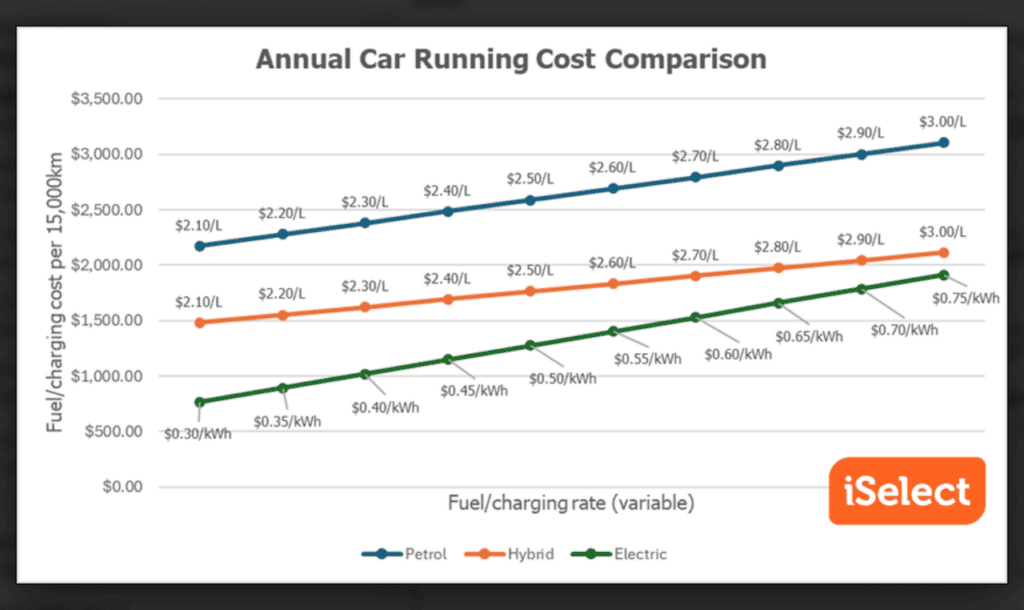
*iSelect calculated the cost to refuel or recharge three comparable medium SUV models based on claimed manufacturer consumption figures: the petrol 2026 Mazda CX-5 G20 Maxx (6.9L/100km), hybrid 2026 Toyota RAV4 GX (4.7L/100km), and 2026 BYD Sealion 7 (17.0kWh/100km). Actual efficiency may differ in real-world driving depending on a variety of factors.
A range of fuel and electricity rates were analysed, with $2.40/litre for 91 RON unleaded petrol and $0.35/kWh for household electricity assumed as typical pricing. Running costs were calculated for driving every 100 kilometres and every 15,000 kilometres (the typical annual driving distance).