2026 will be a “decisive” year for EVs in Australia
Australia’s EV market is heading into what could be a decisive year in 2026, with medium SUVs and utes expected to further tighten the gap to petrol vehicles as price parity finally comes into reach for many of the nation’s most popular segments.
That’s the central forecast from JET Charge, which has analysed 2025 sales data to predict what happens next as the NVES CO2 reduction scheme, falling EV prices and fleet economics reshape buying behaviour.
After EV and PHEV sales jumped 38 per cent in 2025 to 156,958 vehicles, JET Charge says the momentum is shifting toward the vehicle types Australians buy in the greatest numbers: medium SUVs and dual-cab utes.
READ MORE: EV tax debate heats up: Lobby groups weigh in on FBT assistance, warning EV sales momentum is at risk
READ MORE: An era ends! Tesla loses its grip on the global EV market, as China’s BYD takes number one with new sales record
READ MORE: Milestone achieved! EV annual sales crack 100K in Australia as government warned not to axe incentives
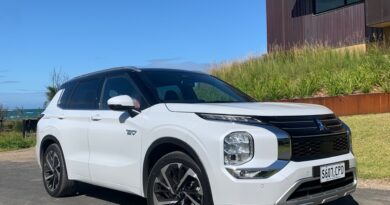
Medium SUVs grew their share of EV sales from 16 per cent in 2024 to 27 per cent in 2025, helped by an increase in available models from 30 to 45 and what JET Charge describes as a relatively narrow EV price premium of 18–22 per cent over petrol equivalents.
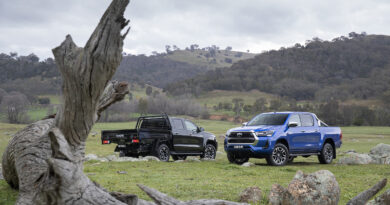
Utes were the surprise story. Sales climbed from just 362 in 2024 to 20,622 in 2025, capturing about eight per cent of the overall ute segment. Much of that growth was driven by the BYD Shark 6, which became the fourth highest-selling ute overall with a seven per cent market share.
By contrast, small SUVs and small passenger cars went backwards in EV take-up, a trend JET Charge links to price sensitivity in those segments and a wider EV price premium of 40–45 per cent. Medium passenger cars also slipped, largely due to changing buyer sentiment around the Tesla Model 3 after its 2024 update.
Kristian Handberg, Head of Future Business at JET Charge, said the shift is closely tied to the NVES and the Fringe Benefits Tax exemption, which have made it more attractive for manufacturers and novated lease buyers to focus on larger vehicles.

“The biggest story of the EV market right now is the medium SUV segment and where the rest of the EV market needs to get to – a highly competitive market of EV options with an increasingly narrow price gap to non-EV alternatives,” he said.
JET Charge says many passenger vehicles, SUVs and light commercial EVs have now reached cost parity with internal combustion vehicles when assessed on a whole-of-life basis.
Several high-volume EVs have dropped in price by 20 to 40 per cent since 2022, with some now falling below $30,000 drive-away.
As an example, JET Charge points to the BYD Atto 1, priced at $23,990 plus on-road costs, or around $27,000 drive-away, putting it in the same bracket as light petrol hatchbacks such as the Toyota Yaris, Mazda2 and Suzuki Swift.
Savings in fuel, servicing and maintenance are expected to accelerate this trend, particularly for fleets.
“It’s time for the EV market to go mainstream and the next twelve months will set the pace for the transition,” Handberg said.
“With electric options for everyone and the purchase price gap decreasing, the whole-of-life cost argument should make the choice easy for any driver, and most importantly, for fleet managers.”
JET Charge has modelled two scenarios for 2026 based on the future of the FBT exemption for EVs.
With the exemption retained, it forecasts around 195,000 EV and PHEV sales in 2026, equating to 15 per cent overall market share. Without it, the company predicts sales will reach only about 167,000 units and 13 per cent market share.
For context, the most conservative scenario from the Australian Energy Market Operator suggests EV sales would need to reach around 240,000 vehicles in 2026 to remain aligned with Australia’s broader emissions trajectory.
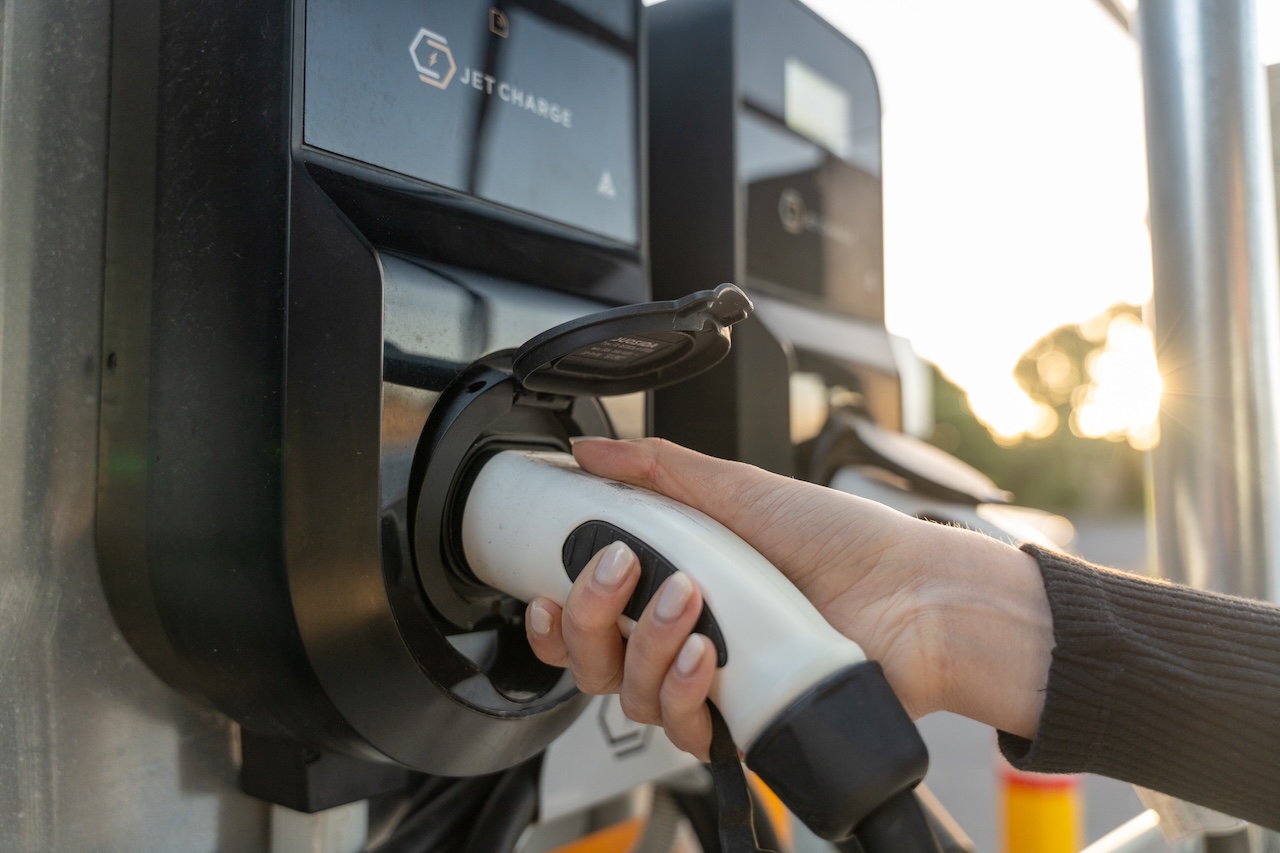
JET Charge expects two trends to help push adoption regardless: a rapid increase in profitable public charging installations across metro and highway locations, and large-scale fleet electrification as total cost of ownership becomes better understood.
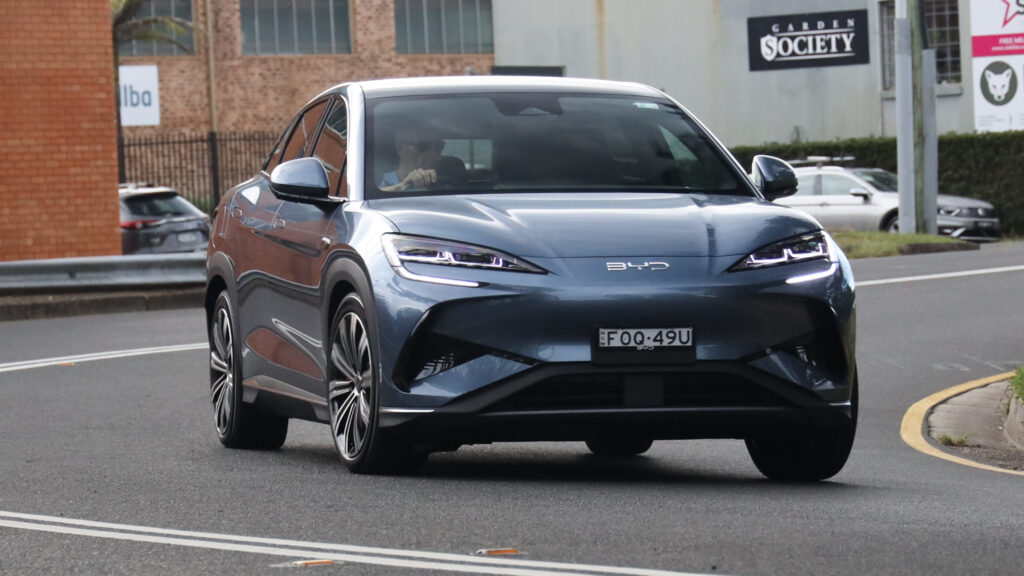
The company expects BYD Auto to remain Australia’s electrified vehicle sales leader and predicts the brand will also field the country’s best-selling EV model in 2026, either the BYD Sealion 7 if the FBT exemption remains – usurping the Tesal Model Y in the process, or the Shark 6 if it does not.
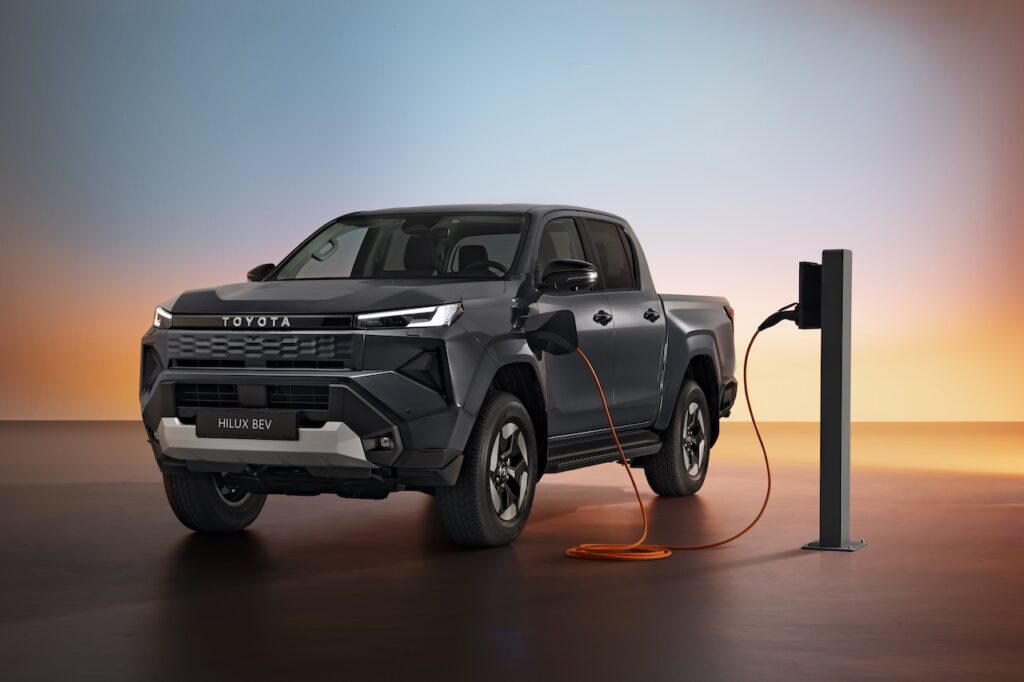
New arrivals JET Charge tips to have an outsized impact next year are led by the Toyota HiLux BEV.
“This will be Toyota’s first electric HiLux and a big deal for one of the most popular vehicles on the market,” the report stated.
“Toyota’s customer support and strong re-sale value should make it a compelling choice for fleet buyers and organisations seeking to address their emissions targets.”
Other new arrivals its tips to star include the Kia EV4, the Hyundai Elexio, aXPeng G6, Kia PV5 and Geely EX2.