EV tax debate heats up: Lobby groups weigh in on FBT assistance, warning EV sales momentum is at risk
Two powerful auto lobbying groups are the latest to urge the government to retain a key tax exemption that encourages the purchase of EVs.
The Electric Vehicle Council and the National Automotive Leasing and Salary Packaging Association (NALSPA) are warning that winding it back risks slowing Australia’s electric vehicle momentum just as uptake begins to accelerate.
In separate submissions to the Federal Government’s statutory review of the Electric Car Discount — the Fringe Benefits Tax exemption for eligible EVs introduced in July 2022 — they argue the policy has become the single most important driver of EV adoption in Australia.
READ MORE: Polestar plea! Keep the FBT exemption for EVs, but axe it for dual cab utes
READ MORE: Why the FBT exemption for EVs isn’t under threat … yet. And why there’s every chance you’ll be paying a road user charge soon
READ MORE: Victory for EVs! FBT exemption prompts BMW to axe petrol-powered Gran Coupe and focus on big-selling i4
The Electric Car Discount removes FBT from eligible battery-electric vehicles when acquired through novated leasing, significantly reducing the effective purchase price for many workers.
NALSPA told Treasury the measure has already helped put more than 100,000 additional EVs on Australian roads and lifted battery-electric market share from 1.4 per cent in 2021 to 8.3 per cent in 2025.
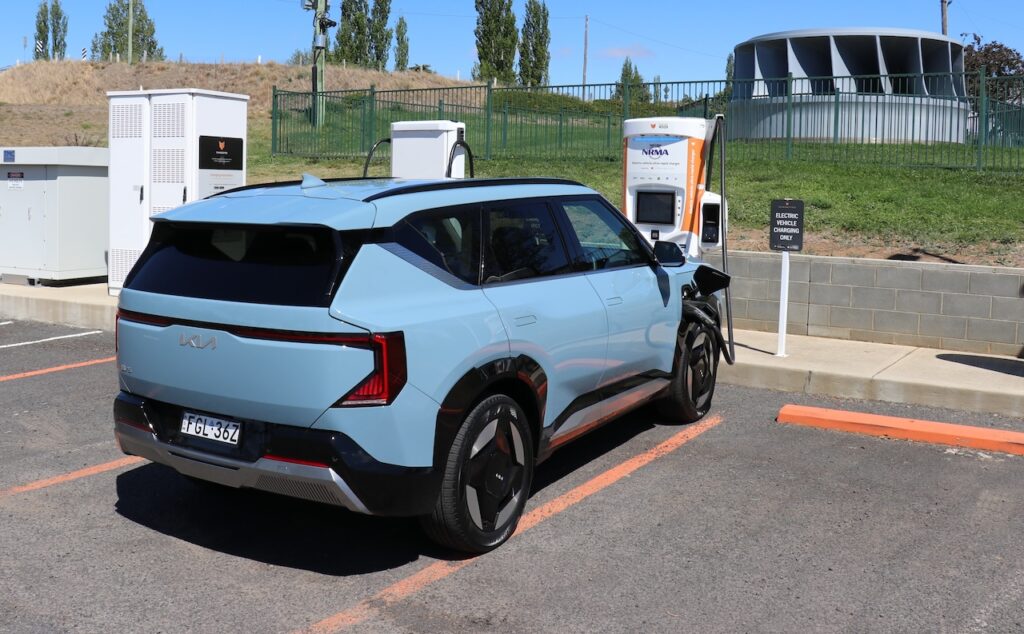
According to NALSPA chief executive Rohan Martin, the policy has also helped cut between 160,000 and 200,000 tonnes of CO2-e emissions each year based on EVs sold under the scheme, while improving affordability and helping expand model choice.
“The Electric Car Discount was introduced to drive up EV uptake, drive down emissions and make EVs more affordable, and it has been a remarkable success for the government on all fronts,” Mr Martin said.
NALSPA’s submission argues the policy has been particularly important for outer-suburban households facing cost-of-living pressures, allowing them to overcome the higher upfront cost of EVs and benefit from lower ongoing running costs.
The group estimates the discount is responsible for at least half of all EVs sold in Australia today and has helped cut average EV prices by 8.6 per cent while driving a six-fold increase in second-hand EV sales since the policy began.
The Electric Vehicle Council made similar arguments in its submission, saying the exemption has propelled more than 105,000 additional EV purchases and lifted national EV market share from two per cent in 2021 to 13 per cent today.
EVC chief executive Julie Delvecchio said international experience shows EV sales can retreat quickly when demand-side incentives are removed too early, pointing to examples in Germany, Canada and New Zealand where subsidies were reduced before later being reinstated.
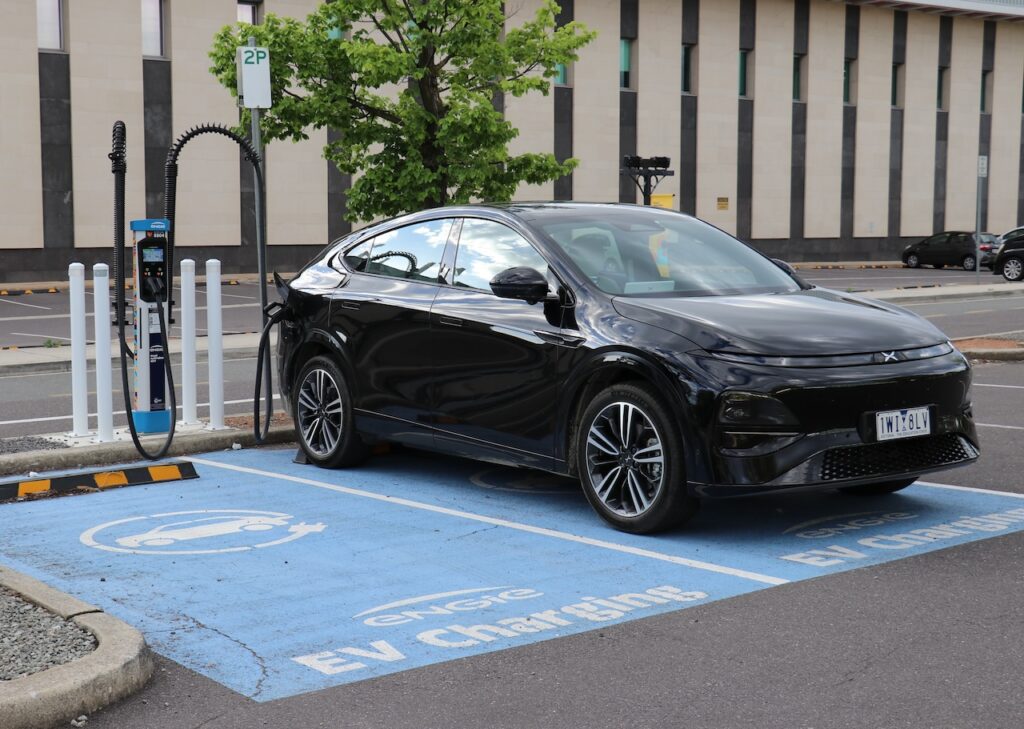
“With EV upfront costs still higher than comparable internal combustion engine cars, tens of thousands of Australians living in outer suburbs — including firefighters, teachers and nurses — could only afford their first EV thanks to the Electric Car Discount,” Ms Delvecchio said.
The EVC also pointed to the removal of the FBT exemption for plug-in hybrids in March 2025, which it said saw novated-lease settlements for PHEVs fall by 94 per cent within a single quarter.
Beyond retaining the existing exemption, the EVC is calling for broader demand-side support, including consumer rebates or GST exemptions for Australians who cannot access novated leasing, as well as a review of FBT settings that continue to apply to high-emitting utes.
The Electric Car Discount policy review is being led by the Australian Centre for Evaluation, which is located within the Commonwealth Treasury, with the Department of Climate Change, Energy, the Environment and Water also contributing.
Findings are expected by mid-2027.