Leapmotor B10 tops Zeekr 7X and Kia EV4 in latest ANCAP testing: Cheapest EV stars against more expensive opposition
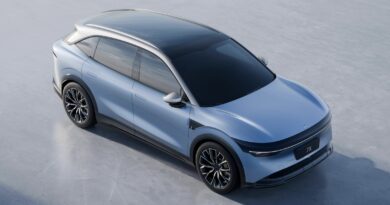
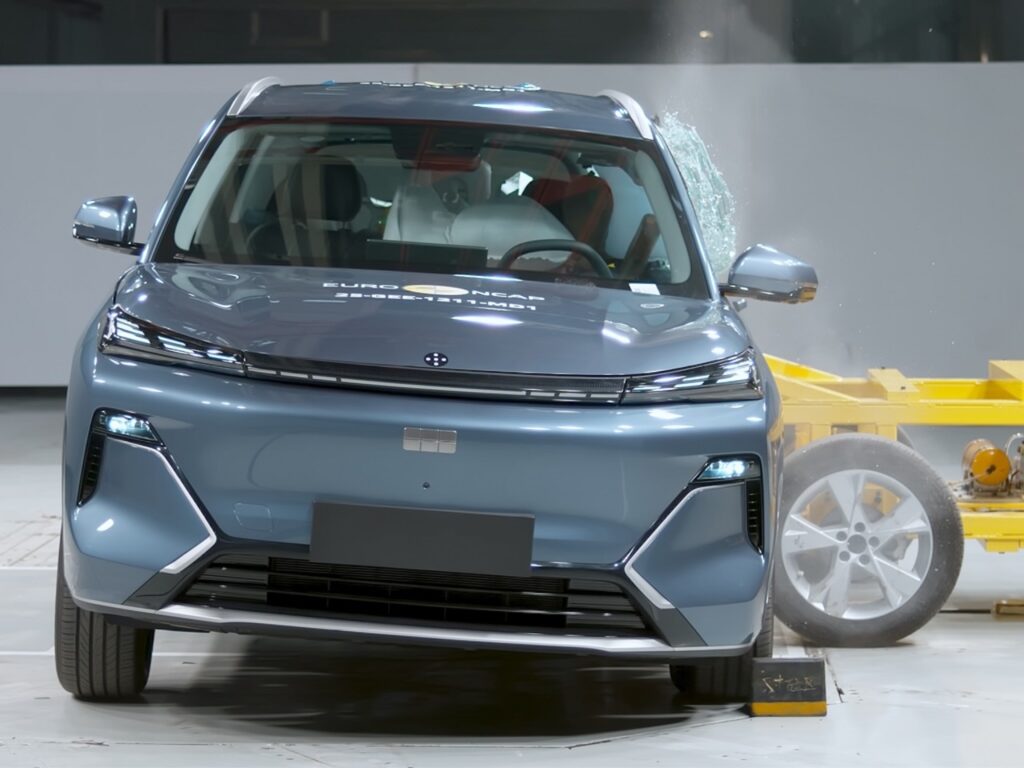
The new Leapmotor B10 (pictured top) has starred in the latest round of ANCAP testing, recording better results than more expensive Evs and PHEVs.
And while ANCAP’s latest crash test results show five-star ratings are now common among new electric vehicles entering the Australian market, a closer look at the data reveals some notable differences in how these EVs perform across the four core safety criteria.
The latest group of battery electric vehicles assessed under ANCAP’s 2023–2025 protocols includes the new Kia EV4 and Zeekr 7X and updated Subaru Solterra and Toyota bZ4X as well as the B10.
READ MORE: Crash shock! Chinese-made EVs are Australia’s safest new cars says ANCAP
READ MORE: Falling star? ANCAP warns Deepal that safety changes risk S07’s five-star rating and retesting could be required
READ MORE: EV safety stars: Tesla Model 3, Kia EV3 and MG S5 EV all shine in latest round of ANCAP crash tests
Fresh results were also scored by the Geely Starray EM-i PHEV, while the MG HS hybrid and PHEV joined the petrol model with five stars.
But these results vary when broken down into ANCAP’s four test pillars Adult Occupant Protection, Child Occupant Protection, Vulnerable Road User Protection and Safety Assist.
| Vehicle | Adult Occupant | Child Occupant | Vulnerable Road User | Safety Assist |
|---|---|---|---|---|
| Leapmotor B10 | 93% | 95% | 84% | 86% |
| Zeekr 7X | 91% | 87% | 78% | 78% |
| Subaru Solterra | 88% | 86% | 80% | 82% |
| Toyota bZ4X | 88% | 86% | 80% | 82% |
| Kia EV4 | 84% | 86% | 77% | 81% |
A notable trend also continues from previous ANCAP rounds reported by EV Central: with the exception of the Korean-built Kia EV4, the new – rather than updated – EVs in this group are manufactured in China, and the highest scoring vehicles again come from Chinese factories.
The Leapmotor B10, an entry-level SUV priced from $38,990 drive-away, recorded the strongest overall performance of the group, with 93 per cent for Adult Occupant Protection and a class-leading 95 per cent for Child Occupant Protection.
It was also the only vehicle here where the child presence detection system met ANCAP’s requirements and was awarded points.
The B10 achieved maximum scores in side impact, oblique pole and child restraint installation tests, explaining its standout result.
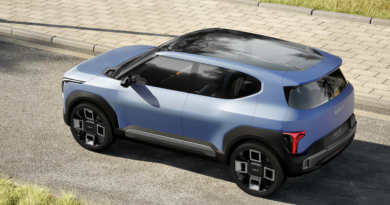
The Kia EV4, a medium sedan priced from $49,990 plus on-road costs, still secured a five-star rating but recorded the lowest Adult Occupant Protection score of the group at 84 per cent.
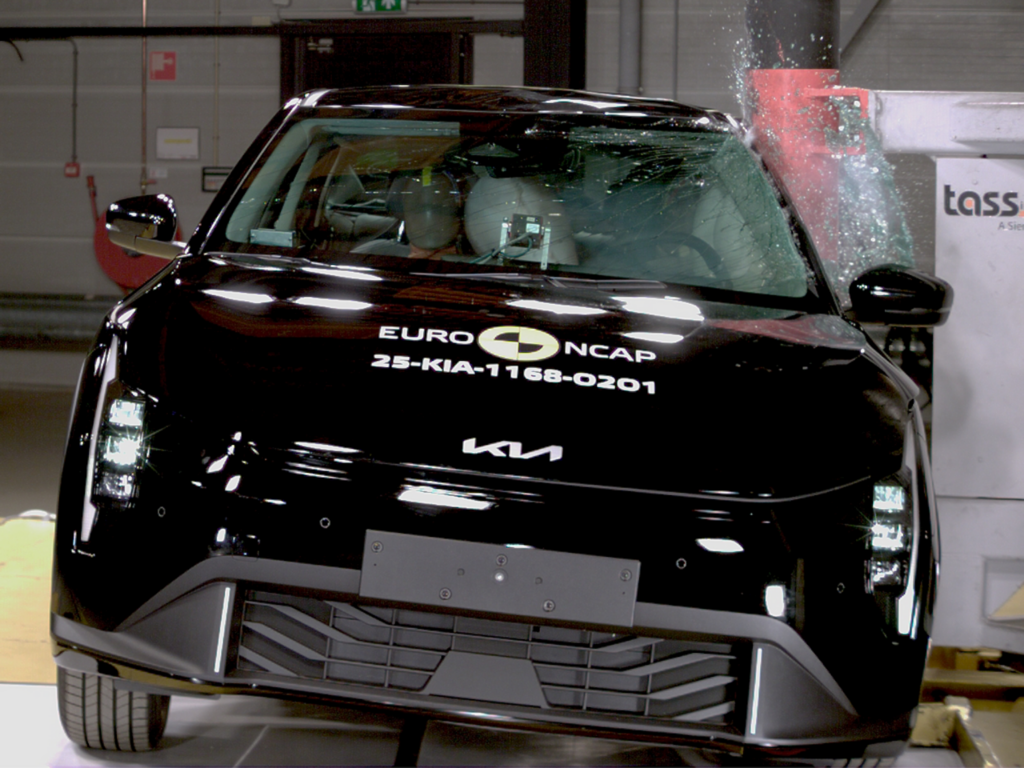
In the frontal offset test, ANCAP noted the driver airbag ‘bottomed out’, allowing the dummy’s head to contact the steering wheel through the airbag, resulting in a scoring penalty.
Lower leg protection for the driver was rated marginal and a further penalty was applied for occupant-to-occupant contact in the oblique pole test despite the presence of a centre airbag.
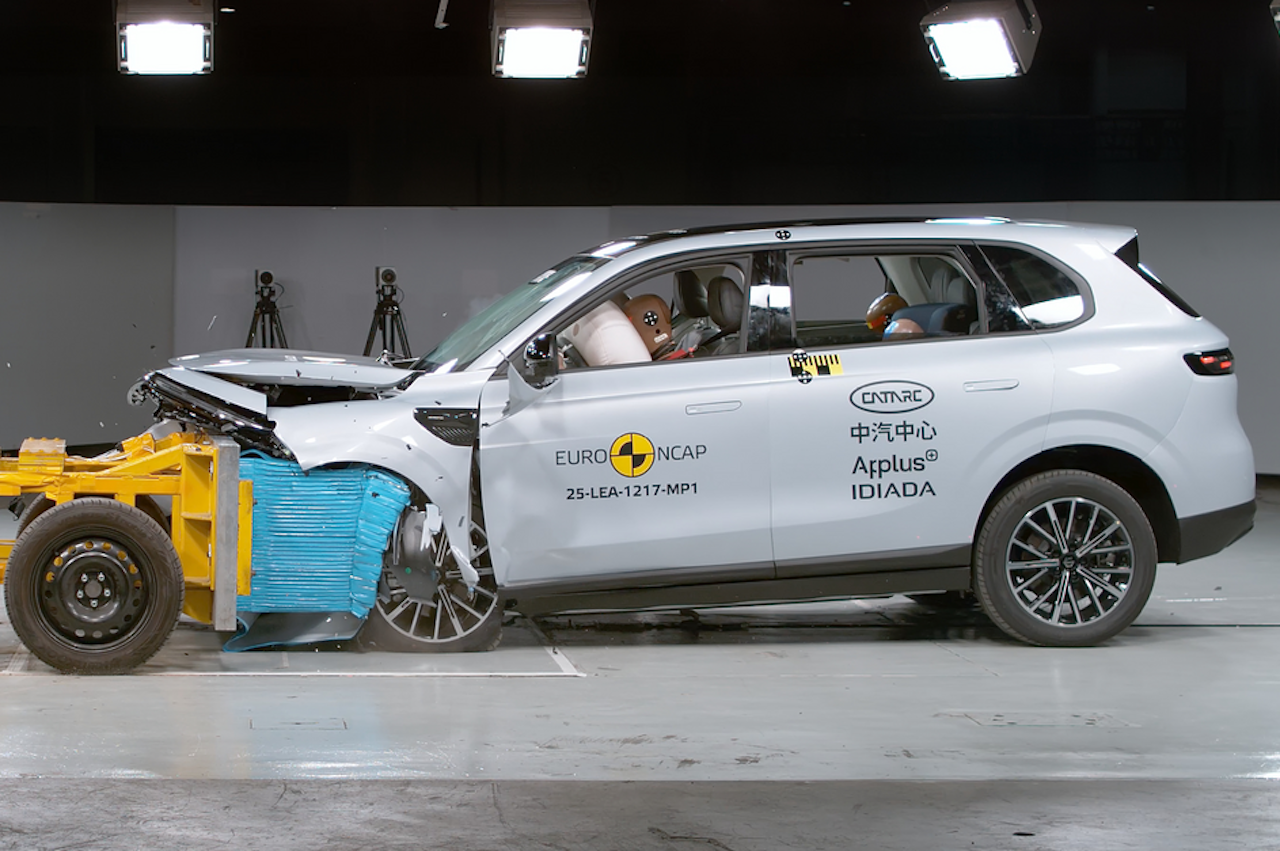
The Zeekr 7X, a mid-size electric SUV priced from $57,900 plus on-road costs, also performed strongly in crash structure tests, achieving maximum points in both side impact and oblique pole tests and scoring highly for whiplash and far-side impact protection.
Its lower percentages in the Safety Assist and Vulnerable Road User categories were influenced by the absence of a child presence detection system and slightly lower performance from its active safety systems compared with some rivals.
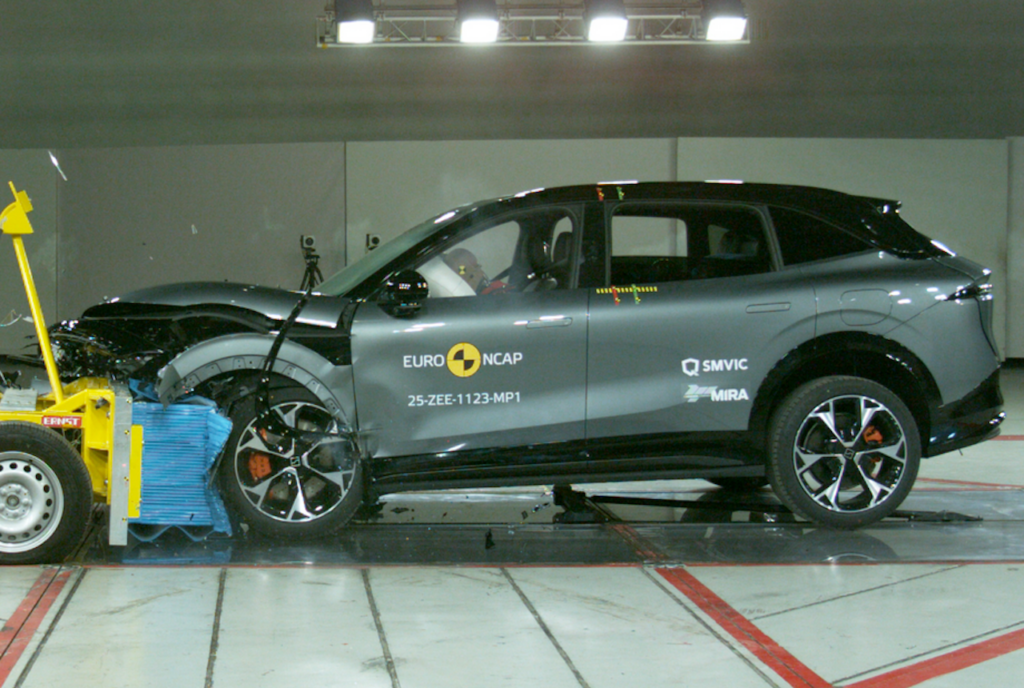
The updated non-identical Subaru Solterra and Toyota bZ4X mid-size EV twins are effectively identical in ANCAP’s assessment.
The Solterra rating is directly based on testing of the bZ4X, with Subaru providing technical data to demonstrate equivalence.
Both vehicles share the same compatibility penalty in the frontal offset test, the same chest protection ratings in full-width and pole tests, the same child restraint installation limitations and the same child presence detection system that did not qualify for points.
As a result, their percentage scores across all four criteria are the same. Both are built in Japan for the Australian market.
ANCAP Chief Executive Officer Carla Hoorweg said the results highlight the importance of independent testing as new brands and technologies enter the market.
“As more new models and emerging brands arrive on our roads, independent safety assessment remains critical. ANCAP testing provides consumers with clear, comparable information, and ensures vehicles meet the highest standards for protection, regardless of badge or price point,” she said.
Plug-in hybrid vehicles also featured in this round of ANCAP test results. The Geely Starray EM-i achieved a five-star rating with strong results across all four categories, including an 86 per cent Vulnerable Road User Protection score reflecting effective pedestrian and cyclist protection performance.
ANCAP also confirmed that the existing five-star rating for the MG HS has been extended to cover hybrid and plug-in hybrid variants, after additional testing verified comparable crash performance and high-voltage system integrity to the previously tested petrol versions.