Revealed: General Motors battery guru explains why lithium – not hydrogen – is central to our EV future
GM’s top EV battery guru, Andy Oury, believes we could switch to a hydrogen-based economy in the future, if we could build enough renewable energy to run it.
But don’t expect it to happen any time soon.
That’s because – as Oury is at pains to point out – the lithium that currently powers electric vehicles, and other batteries, is almost as abundant as hydrogen anyway.
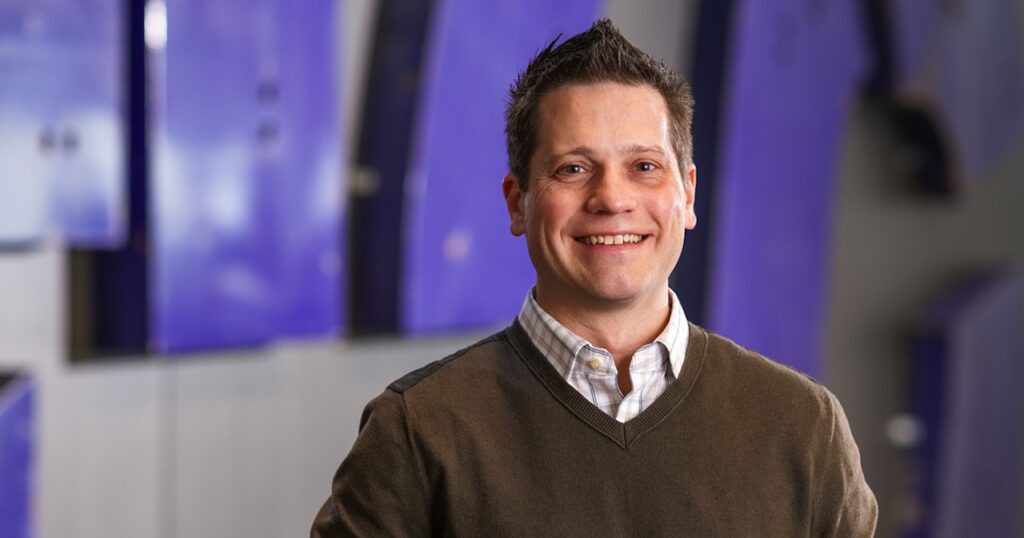
Oury is GM’s Battery Engineer and Business Planning Manager and he talks about battery technology the way cool, handsome and interesting people talk about Formula One – with deep passion and knowledge.
READ MORE: Now it’s GM’s turn to tout cheaper, more efficient new battery tech! It’s called LMR and it’s been three decades in the making
READ MORE: Marriage of convenience: GM and Hyundai bed one another to make EV babies
READ MORE: GM’s $30K Chevrolet Equinox SUV is an affordable Ultium EV
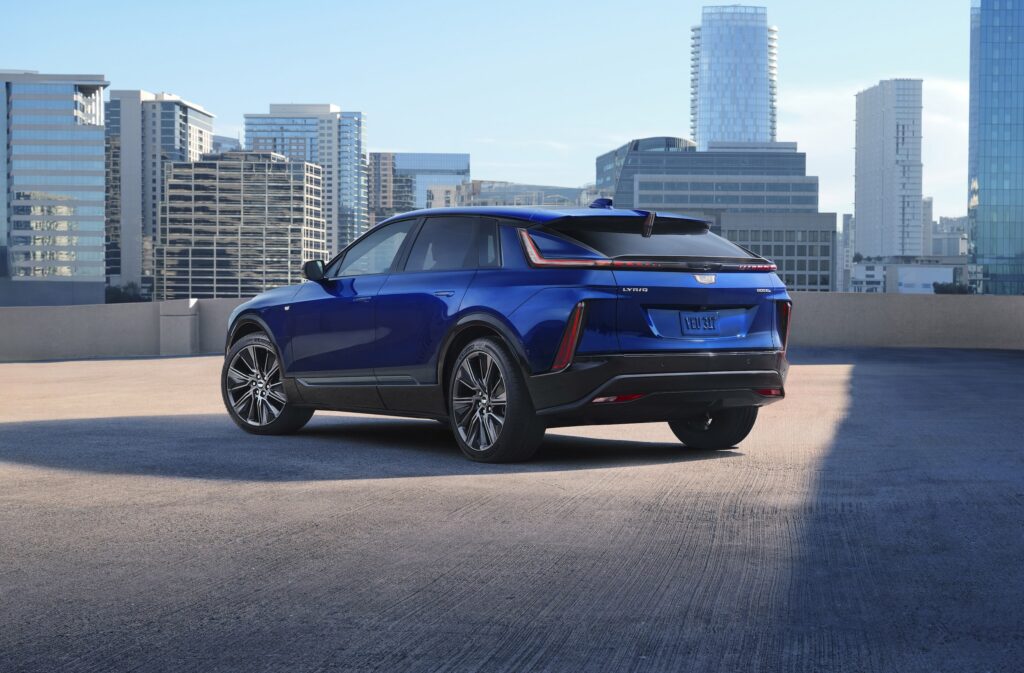
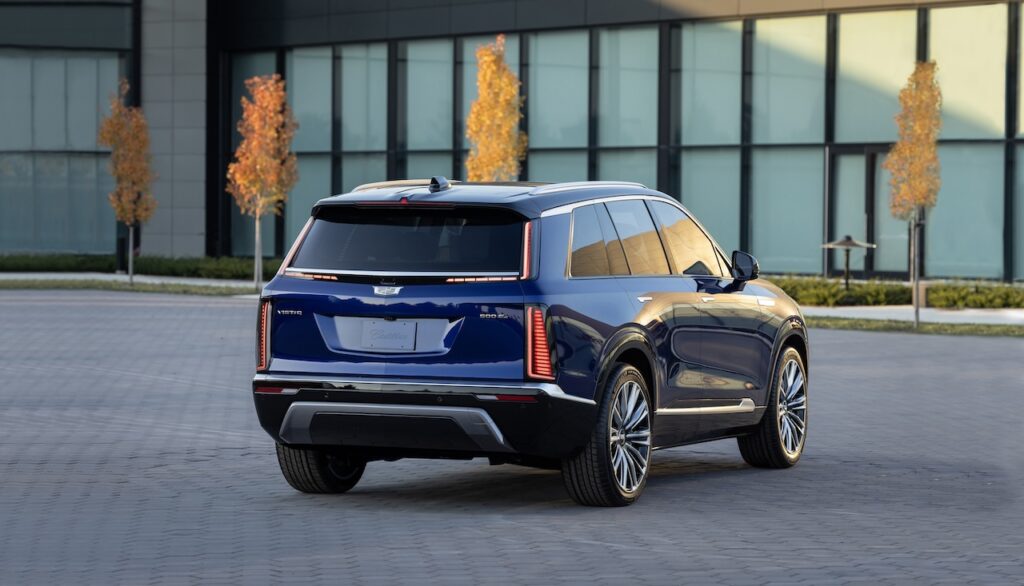
EV Central got to spend an hour with him during a recent visit to drive the all-EV range that Cadillac is in the midst of rolling out in Australia (Lyriq is on sale now, Optiq and Vistiq are on the way).
“Lithium is not a ‘rare earth’ material, it’s actually ubiquitous, and what we mean by that is there is a lot of lithium in the Earth’s crust available to be extracted and refined,” Oury explained.
” i”It’s not abundant yet because the facilities to get it out of the ground and process it haven’t been built out yet.”
“Digging it up and doing that next step to purify it and convert it into battery-grade material, that’s where we need to make investments. It’s not a matter of inventing something new, it’s just a matter of doing what we already know we can do.”
When it comes to ubiquity, of course, we’re constantly reminded that hydrogen is the most abundant element in the universe, and we know that cars with electric motors can be powered by onboard hydrogen-fed power stations. So why isn’t the world heading in that direction, instead of lithium-ion battery tech?
“Well, mostly throughout the universe, hydrogen is bonded up with other stuff, usually, so it’s not so easy to use, because as soon as it bonds with oxygen, for example, it creates water, so it’s no longer available as energy storage,” Oury explained.
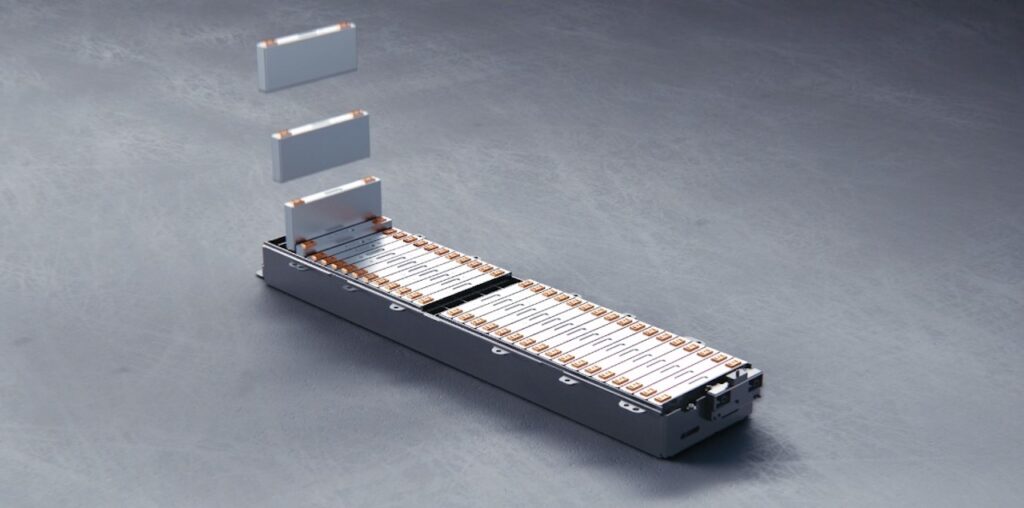
“You have to separate it, and so where are you going to get the energy to separate the hydrogen? You have got to get that from electricity. And where do you get that electricity from?
“But if we can have, you know, green electricity – enough wind power, solar throughout the world to break those hydrogen oxygen bonds and make lots of hydrogen – you could have a hydrogen-powered energy economy.
“In the meantime, you can you can take that slower energy, and can go straight to charging a battery with it. And that’s where electric vehicles come in, and why we’re focusing on lithium.”
In the midst of this interesting science lesson, it seemed apt to get Oury to explain just what ‘rare Earth’ metals are, then?
“Well, typically people think of cobalt as being the most rare of the materials in the cathode of an EV battery, and that’s why we’re working to take the amount of cobalt we use down to trace elements in our new batteries,” he said.
“But typically when people talk about rare Earths, they’re talking about the magnet material, which is in the motors, not in the batteries.
“So if you think about, if you wanted to make a cake, you know, you can go to the store and you can buy a box of cake mix. And if you think about how many steps it took for somebody to make that bag of powder for you … it starts off with growing some wheat or growing some sugar cane, and then you’ve got to take that, and you don’t just eat the sugar cane or the wheat, right?
“It has to be processed. And then that processed material has to be blended into a bag in the right ratios, then you’ve got to take that and blend it with the right liquids and cook it, right?
“If you think about making a battery cell, it’s very much the same thing. You’ve got the same stuff. So you dig dirt, and then that dirt becomes slightly fancier dirt, and then you convert it into a purified material, where you get just the elements you want, and then you blend those into a a mix for a battery, and then you cook it into a battery cell.
“There really is quite a lot to it.”